The Goat‚ or Who is Sylvia?: An Article Plan
This plan details exploration of Edward Albee’s play‚ focusing on readily available online resources‚ PDF downloads‚ and its 2002 Tony Award win.
Overview of the Play
The Goat‚ or Who is Sylvia?‚ penned by Edward Albee‚ is a profoundly disturbing and provocative exploration of love‚ societal norms‚ and the boundaries of acceptable desire. The play‚ a recipient of the 2002 Tony Award for Best Play‚ centers on Martin Gray‚ a seemingly successful architect‚ who reveals a shocking secret to his closest friend: he has fallen in love with Sylvia – a goat.
This confession unravels Martin’s carefully constructed life‚ impacting his wife‚ Stevie‚ and his son‚ Billy. The play isn’t simply about bestiality; it’s a challenging examination of what constitutes love and the societal taboos that dictate its expression. Numerous sources‚ including the Internet Archive‚ offer access to the play’s text‚ often in PDF format‚ allowing for detailed study and analysis of Albee’s masterful‚ yet unsettling‚ work.
Plot Summary
The narrative unfolds as Martin Gray‚ celebrating his 50th birthday and a successful career‚ confides in his longtime friend about his unconventional love for Sylvia‚ a goat. This revelation immediately fractures his seemingly idyllic life. His wife‚ Stevie‚ is devastated and struggles to comprehend his feelings‚ leading to a painful and escalating confrontation.
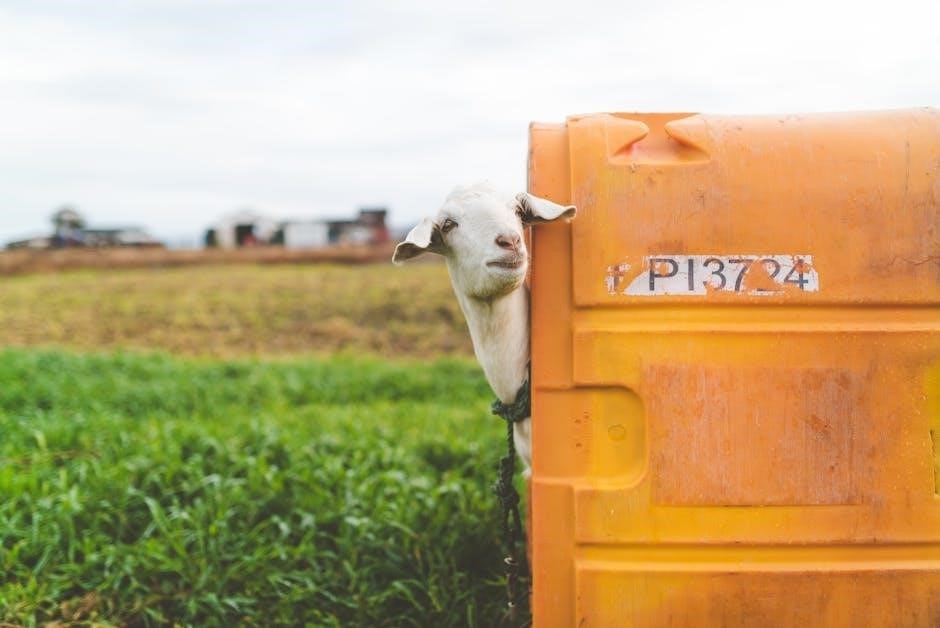
Simultaneously‚ his gay son‚ Billy‚ grapples with his own emotional turmoil‚ further complicating the family dynamic. The play meticulously details the disintegration of their relationships as Martin defends his love for Sylvia‚ challenging societal norms and provoking intense emotional reactions. Online resources and readily available PDF versions of the script‚ like those found on the Internet Archive‚ allow readers to trace the play’s descent into tragedy and explore Albee’s complex character interactions.
Main Characters
The play centers around three pivotal figures: Martin Gray‚ a successful architect whose life is upended by his unexpected love; Stevie Gray‚ his wife‚ who embodies societal expectations and faces profound betrayal; and Billy‚ their son‚ navigating his own identity and relationships.
Martin’s confession about Sylvia‚ the goat‚ serves as the catalyst for the drama‚ exposing the fragility of their carefully constructed world. Stevie’s reaction is one of disbelief and anguish‚ while Billy provides a contrasting perspective. Accessing the play’s text via PDF downloads or online reading options allows a deeper understanding of each character’s motivations and internal conflicts‚ revealing Albee’s masterful portrayal of human emotion and societal pressures.
Martin Gray
Martin‚ a celebrated 50-year-old architect‚ initially presents as a man with a seemingly perfect life – a loving wife‚ a successful career‚ and a son he supports. However‚ his confession of falling in love with a goat named Sylvia shatters this facade.
Exploring Martin’s character through readily available PDFs or online versions of the play reveals a man grappling with repressed desires and a mid-life crisis. His actions challenge conventional notions of love and morality. The text demonstrates his attempts to rationalize his feelings‚ highlighting his internal turmoil and the devastating consequences of his unconventional affection. Understanding Martin requires a close reading of Albee’s dialogue and stage directions.
Stevie Gray
Stevie‚ Martin’s gay son‚ serves as a crucial voice of reason and a witness to his father’s unraveling. He represents a more accepting generation‚ yet even he is profoundly disturbed by Martin’s revelation. Examining Stevie’s character through online play texts or PDF downloads reveals his complex emotional response – a blend of shock‚ disappointment‚ and a desperate attempt to understand his father’s actions.
Stevie’s dialogue often provides a critical lens through which the audience views Martin’s behavior. He embodies a struggle between familial loyalty and moral judgment‚ making him a pivotal figure in the play’s exploration of societal norms and acceptance.
Ross Tuttle
Ross‚ Martin’s closest friend‚ is the confidant to whom Martin initially reveals his shocking secret. He represents a more traditional worldview and embodies the societal condemnation Martin faces. Studying Ross’s reactions within the play’s text – accessible via online reading options or PDF versions – highlights the play’s central conflict: the clash between unconventional desire and established social boundaries.
Ross’s discomfort and eventual rejection of Martin underscore the play’s exploration of intolerance and the fragility of long-held friendships. His character serves as a barometer for societal judgment‚ demonstrating the devastating consequences of Martin’s confession.
Themes Explored
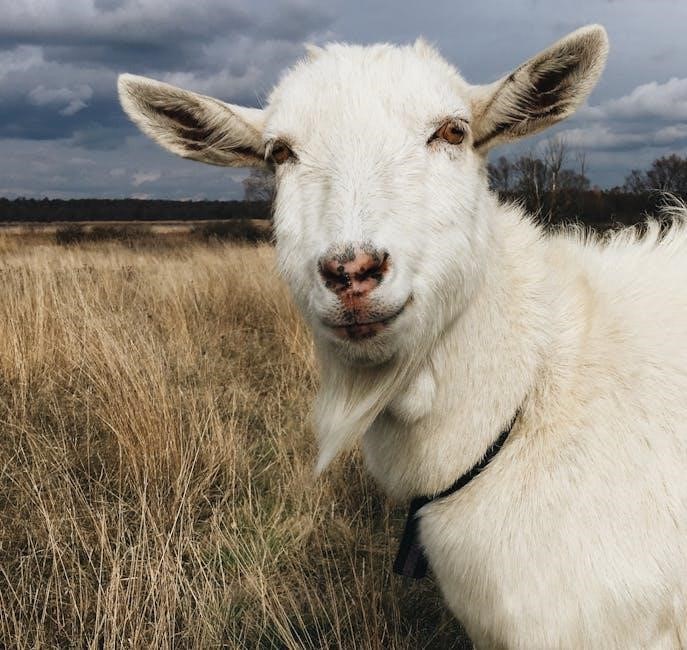
“The Goat‚ or Who is Sylvia?” relentlessly probes challenging themes. Central is the exploration of love’s boundaries‚ questioning whether love can truly be defined or contained by societal norms‚ readily apparent when accessing the play’s text online or in PDF format. The play boldly confronts social taboos‚ specifically bestiality‚ forcing audiences to grapple with uncomfortable truths about desire and acceptance.
Furthermore‚ Albee dissects the nature of tragedy itself‚ presenting a modern tragedy devoid of heroic figures‚ focusing instead on the destruction of an ostensibly “ideal” family. The readily available text allows for close examination of these complex themes and their interwoven presentation.
Love and Bestiality
The core conflict in “The Goat‚ or Who is Sylvia?” revolves around Martin Gray’s confession of his love for Sylvia‚ a goat. This isn’t presented as mere lust‚ but as a genuine‚ profound emotional connection‚ challenging conventional definitions of love. Accessing the play’s text – whether online or via PDF download – reveals Albee’s deliberate ambiguity; is it love‚ obsession‚ or something else entirely?
The play doesn’t sensationalize the bestiality‚ but uses it as a catalyst to explore the limits of acceptance and the fragility of relationships. Martin’s “love” for Sylvia dismantles his seemingly perfect life‚ forcing a brutal examination of societal norms and personal desires.

Social Taboos and Acceptance
“The Goat‚ or Who is Sylvia?” aggressively confronts societal taboos‚ primarily through the lens of Martin’s unconventional love. Reading the play – easily found as a PDF or online – demonstrates Albee’s intent to shock and provoke discussion about what society deems acceptable. The play isn’t about bestiality‚ but uses it to dissect our rigid boundaries of love and normalcy.
The reactions of Martin’s wife and son highlight the difficulty of accepting anything that falls outside these boundaries. Albee forces the audience to question their own prejudices and consider the limits of tolerance. The play’s power lies in its unflinching exploration of these uncomfortable truths‚ readily apparent in any version of the text.

The Nature of Tragedy

Albee’s play‚ accessible as a PDF or through online reading options‚ deliberately frames itself as “notes toward a definition of tragedy.” It subverts traditional tragic structures‚ presenting a domestic collapse rather than a heroic fall. Martin’s ‘fatal flaw’ isn’t ambition‚ but an unexpected‚ unconventional desire.
The tragedy isn’t Sylvia herself‚ but the destruction of a seemingly perfect life due to societal constraints and the inability to accept difference. The play questions whether tragedy requires grand scale or can reside within the intimate sphere of personal relationships. Examining the text reveals Albee’s deconstruction of classic tragic tropes‚ offering a modern‚ unsettling perspective.
Edward Albee’s Writing Style
Albee’s style‚ evident even in readily available PDF versions of “The Goat‚” is characterized by sharp‚ precise dialogue and a relentless probing of uncomfortable truths. He employs a minimalist approach‚ stripping away extraneous details to focus on the core emotional and philosophical conflicts.
The play’s structure‚ while seemingly straightforward‚ is subtly layered with symbolic weight. Albee masterfully uses language to reveal character and expose hypocrisy. His work often features intellectual sparring and a deliberate unsettling of audience expectations. The accessible text demonstrates his skill in crafting dramatic tension through conversation‚ making it a compelling study of modern drama.
Historical Context of the Play
“The Goat‚ or Who is Sylvia?” premiered in 2002‚ a period marked by evolving societal discussions surrounding sexuality‚ morality‚ and family structures. While PDF versions of the play don’t explicitly detail this‚ understanding the early 2000s is crucial; The play challenged conventional norms‚ arriving after decades of shifting attitudes towards previously taboo subjects.
Albee’s work reflects a broader cultural landscape grappling with questions of acceptance and the definition of “normal.” The play’s exploration of unconventional love resonated with a society increasingly aware of diverse relationships. It sparked debate‚ mirroring the ongoing conversations about boundaries and societal expectations prevalent at the time of its release.
Critical Reception and Awards
“The Goat‚ or Who is Sylvia?” garnered significant critical acclaim upon its release‚ despite – or perhaps because of – its controversial subject matter. The play won the 2002 Tony Award for Best Play‚ a testament to its impact and artistic merit. While PDF versions of the script don’t showcase reviews directly‚ reports indicate polarized reactions.
Some critics lauded Albee’s daring exploration of taboo themes and his masterful dialogue‚ while others found the premise shocking and unsettling. Regardless‚ the play sparked widespread discussion and cemented Albee’s reputation as a provocative and important playwright. The Tony Award validated its artistic achievement and ensured its place in theatrical history.
The Significance of the Title: “The Goat‚ or Who is Sylvia?”
The title itself is deliberately provocative and ambiguous. “The Goat” immediately introduces the shocking element of bestiality‚ while “or Who is Sylvia?” frames it as a question of identity and obsession. PDF versions of the play reveal this duality is central to the narrative. Sylvia isn’t merely an animal; she represents something deeper for Martin – a forbidden desire‚ a challenge to societal norms‚ and a catalyst for his self-destruction.
The “or” suggests a comparison‚ forcing the audience to grapple with the implications of Martin’s love for Sylvia versus his conventional marriage. It’s a title designed to intrigue‚ disturb‚ and ultimately‚ provoke thought about the nature of love and societal boundaries.
Symbolism in the Play
Albee masterfully employs symbolism throughout “The Goat‚ or Who is Sylvia?” Examining PDF copies of the script highlights how the goat‚ Sylvia‚ transcends literal representation. She embodies forbidden desire‚ the irrational‚ and a rejection of societal constraints. Martin’s attraction isn’t simply about the animal itself‚ but what she represents – a complete break from expectation.
Conversely‚ Martin’s wife‚ Stevie‚ symbolizes conventionality and societal judgment. The play uses these contrasting symbols to explore themes of acceptance and the destructive power of rigid norms. The very act of naming the goat “Sylvia” imbues her with a human quality‚ further blurring the lines of acceptable love.
The Goat as a Symbol
Within “The Goat‚ or Who is Sylvia?”‚ the goat is a potent and multifaceted symbol. PDF analyses of the play reveal she represents the utterly forbidden‚ a transgression against deeply ingrained societal taboos. The choice of a goat‚ specifically‚ isn’t arbitrary; goats historically carry associations with lust and pagan rituals‚ amplifying the shock value of Martin’s confession.
Sylvia embodies a primal‚ instinctual desire that exists outside the realm of rational thought or conventional love. She’s a rejection of societal expectations and a descent into the irrational. The goat’s animalistic nature highlights the base instincts that lie beneath the veneer of civilized behavior‚ challenging the audience’s preconceived notions of love and desire.
Sylvia as a Representation
Examining “The Goat‚ or Who is Sylvia?” through PDF resources reveals Sylvia functions as more than just an object of affection. She represents a complete dismantling of Martin’s carefully constructed identity and worldview. Sylvia embodies freedom from societal constraints‚ a raw and untamed existence that Martin finds inexplicably alluring.
She’s a projection of Martin’s repressed desires and a rejection of the sterile intellectualism that defines his life. Sylvia’s very existence challenges the foundations of his marriage and his understanding of love. The play doesn’t present Sylvia as inherently good or bad‚ but as a catalyst for exposing the fragility of human constructs and the power of primal instinct.
Interpretations of the Play’s Ending
Analyzing the play’s conclusion‚ often found in readily available PDF versions‚ reveals a deliberately ambiguous and unsettling outcome. The final scene‚ with its brutal severing of Ross’s vocal cords‚ isn’t a resolution but a horrifying escalation of the play’s themes. Some interpret it as a symbolic silencing of reason and societal judgment‚ leaving only raw emotion.
Others view it as Martin’s ultimate self-destruction‚ a desperate attempt to control the uncontrollable. The ending offers no catharsis‚ instead forcing the audience to confront the uncomfortable truths about love‚ desire‚ and the limits of tolerance. The lack of closure underscores Albee’s intention to provoke‚ not to provide answers.
Availability of the Text
Accessing Edward Albee’s The Goat‚ or Who is Sylvia? is remarkably straightforward. Numerous online platforms offer reading options‚ and PDF downloads are widely available. The Internet Archive hosts a digitized version‚ allowing for free borrowing and streaming. Jamalcochran Media also highlights online reading access‚ with mentions of PDF availability as of February 3rd‚ 2026.
Furthermore‚ Broadway Edition PDFs are accessible‚ published in 2003 with 110 pages. These resources provide convenient access for students‚ researchers‚ and theatre enthusiasts. The play’s popularity ensures its continued presence in digital libraries‚ making it easily obtainable for study and enjoyment.
Online Reading Options
Several avenues exist for reading The Goat‚ or Who is Sylvia? directly online. Jamalcochran Media’s Spotify podcast episode specifically points to the play’s availability for immediate online reading through their platform. The Internet Archive provides a free borrowing and streaming option‚ eliminating the need for downloads.
These platforms offer convenient access for those preferring to read the text within a web browser. While dedicated websites may host the play‚ verifying their legitimacy is crucial. The ease of access contributes to the play’s continued study and appreciation within academic and theatrical circles‚ offering a digital alternative to physical copies.

PDF Download Sources
Locating a PDF version of The Goat‚ or Who is Sylvia? requires careful navigation. Several sources advertise free PDF downloads‚ including mentions of a “Broadway Edition” published in 2003‚ spanning 110 pages. The Internet Archive also offers a downloadable version‚ though availability may vary.
However‚ users should exercise caution when downloading from unfamiliar websites to avoid potential malware or copyright infringements. Always verify the source’s credibility before initiating a download. The Internet Archive remains a generally reliable option‚ providing access to a digitized copy of Albee’s work for offline reading and study.
The Play’s Impact on Contemporary Theatre
The Goat‚ or Who is Sylvia? significantly challenged theatrical norms upon its 2002 premiere‚ winning the Tony Award for Best Play and sparking widespread debate. Its exploration of taboo subjects – specifically‚ bestiality and unconventional love – forced audiences to confront uncomfortable truths about societal boundaries and personal desire.
The play’s willingness to delve into such provocative territory paved the way for greater experimentation and risk-taking in contemporary drama. It demonstrated a willingness to push the limits of acceptable subject matter‚ influencing subsequent playwrights to explore similarly challenging themes with increased boldness and honesty. The readily available PDF versions likely contributed to its academic study and continued influence.
Connections to Albee’s Other Works
The Goat‚ or Who is Sylvia? shares thematic resonances with Edward Albee’s broader body of work‚ particularly his consistent examination of familial dysfunction and the fragility of societal conventions. Like Who’s Afraid of Virginia Woolf?‚ it dissects the illusions that uphold seemingly stable relationships‚ revealing the pain and deception beneath the surface.
Albee frequently employed provocative scenarios to expose uncomfortable truths about human nature‚ and The Goat is no exception. The play’s exploration of taboo subjects echoes his earlier willingness to challenge moral boundaries. The accessibility of the play‚ including PDF versions‚ has facilitated scholarly comparisons across his oeuvre‚ highlighting his enduring concerns with truth‚ illusion‚ and the complexities of love.
The Use of Humor in a Tragic Context
The Goat‚ or Who is Sylvia? masterfully blends dark humor with profound tragedy‚ creating a deeply unsettling yet compelling theatrical experience. Albee utilizes witty dialogue and ironic situations to initially disarm the audience‚ before gradually revealing the devastating consequences of Martin’s confession.
This juxtaposition of comedy and sorrow serves to heighten the play’s emotional impact‚ forcing viewers to confront uncomfortable truths about love‚ desire‚ and societal norms. The availability of the play in PDF format allows for close textual analysis‚ revealing how Albee strategically employs humor to underscore the absurdity and pain of the situation. It’s a technique that amplifies the tragic core.
GOAT as an Acronym (Greatest Of All Time) — Potential Misdirection
GOAT as an Acronym (Potential Misdirection)
The acronym “GOAT‚” standing for “Greatest Of All Time‚” presents a deliberate misdirection when considering Albee’s The Goat‚ or Who is Sylvia? While the title playfully evokes this modern usage – particularly prevalent in sports – its application to the play is ironic and unsettling.
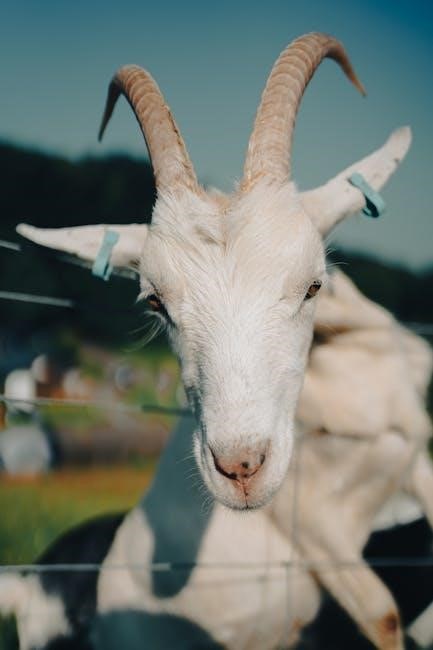
The play subverts expectations of greatness‚ instead exploring the depths of human fallibility and the destructive power of unconventional desire. Accessing the play’s text in PDF format highlights how Albee intentionally uses the title to create a jarring contrast‚ challenging conventional notions of love and societal acceptance. It’s a clever tactic‚ prompting reflection beyond simple accolades.
Sylvia Plath Connection (Misinformation Clarification)
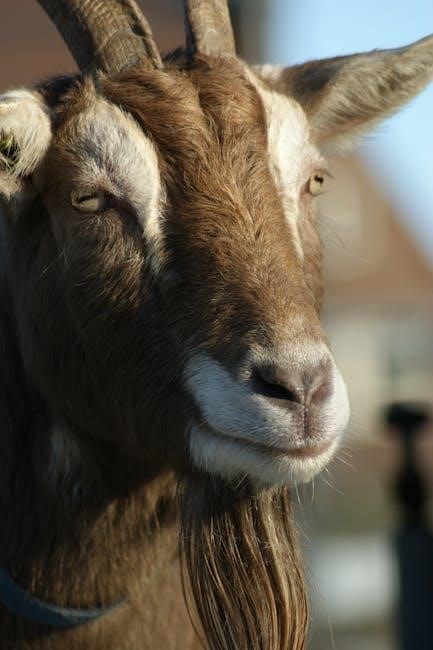
Despite circulating claims‚ there is no direct‚ substantial connection between Edward Albee’s The Goat‚ or Who is Sylvia? and the poet Sylvia Plath. Online searches for the play’s PDF version sometimes surface mentions of a “Sylvia Plath Collection‚” leading to confusion.

These references relate to archival materials concerning Plath herself‚ not to any influence on or collaboration with Albee. The play’s “Sylvia” is a goat‚ a deliberately provocative element exploring taboo desires. The association appears to be a misdirection stemming from the shared name‚ and doesn’t reflect any artistic link. Careful examination of the play’s text confirms this distinction.