Understanding Shoelace Length Requirements
Use our concise length guide and eyelet chart to match your shoe size and eyelet count. For elastic athletic or sports‑specific laces, choose lengths that fit snugly yet allow flexibility. Custom round, flat, tubular, or bulk options cater to style and durability needs. Choose right length for every sport. Now
Factors Influencing Length: Shoe Size and Eyelet Count
When determining the appropriate shoelace length, two fundamental variables must be considered: the wearer’s foot size and the number of eyelets on the shoe. Foot size directly influences the overall length of the lace required to achieve a secure fit without excessive slack or tightness. Larger foot sizes typically demand longer laces, often ranging from 45 to 55 inches for adult shoes, while smaller foot sizes may only need 35 to 45 inches. Eyelet count, on the other hand, dictates how many times the lace will be threaded through the shoe, which in turn increases the total length needed. Shoes with a higher eyelet count, such as 12 or more, require additional length compared to those with fewer eyelets, like 8 or 10. The relationship between eyelet count and lace length can be approximated by adding roughly 2 to 3 inches for each additional eyelet beyond the baseline count of 8. This rule of thumb helps estimate length without a chart. For example, a shoe with 10 eyelets might need about 48 inches, whereas a shoe with 12 eyelets could require around 54 inches. It is also essential to consider the lacing pattern chosen, as certain patterns, such as criss‑cross or loop‑and‑tuck, can alter the effective length needed. A tight criss‑cross pattern may consume more lace than a looser, more relaxed pattern, necessitating a slightly longer lace to compensate. Additionally, the material of the shoe and the width of the eyelets can affect how the lace behaves when threaded; narrower eyelets may allow a shorter lace to be used effectively. When choosing a lace, consider tension: a looser lace needs more length to keep the same loops, while a tighter lace may allow a slightly shorter length. Additionally, the material of the shoe and the width of the eyelets can affect how the lace behaves when threaded; narrower eyelets may allow a shorter lace to be used effectively. effectivly.!!!
Standard Length Ranges for Different Footwear Types
Adult sneakers and running shoes typically require laces between 45 and 55 inches, with 48 inches being the most common choice for a balanced fit. Mid‑height hiking boots and casual trainers often fall into the 50–60 inch range, providing extra length for thicker lacing or adjustable straps. Lightweight tennis shoes and court shoes usually need 40–50 inches, as the lacing is tighter and the shoe profile is lower. Children’s shoes, especially those with 8–10 eyelets, generally call for 35–45 inches, while smaller children’s sizes may only need 30–35 inches. Athletic shoes designed for high‑impact sports, such as basketball or soccer, often use 55–65 inch laces to accommodate multiple eyelets and a secure, high‑tightening lacing pattern. For high‑top sneakers and fashion sneakers, 45–55 inches is standard, though some designers opt for 60 inches for a dramatic look. Boots and work shoes, which have larger eyelets and sometimes a tongue that requires extra slack, typically use 60–70 inches. Custom or specialty laces, like those for racing or cycling shoes, may be shorter, ranging from 30–40 inches, because the lacing is very tight and the shoe is low‑profile. Always consult the manufacturer’s eyelet chart to confirm the exact length needed for your specific shoe model. These guidelines help ensure each lace length aligns with the shoe’s design.Avoids common issues like slack laces that cause blisters or overly tight laces that restrict blood flow. Selecting the right length also enhances the aesthetic appeal of your footwear. and!! the chart for precision.
Measuring Shoelace Length
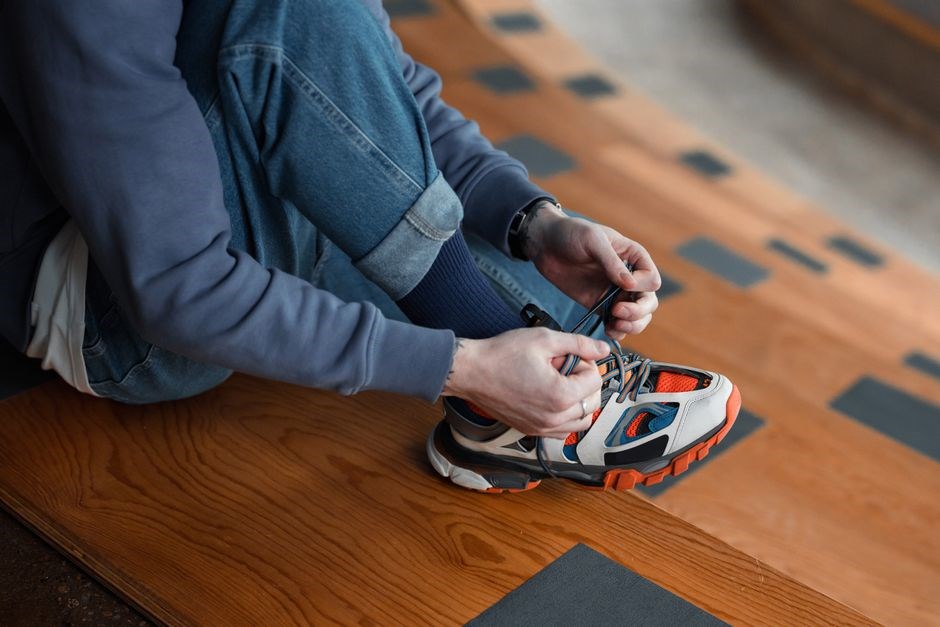
To measure accurately, place the shoe on a flat surface, thread a new lace through all eyelets, then stretch to the desired snugness. Measure from the tip to the end, add 1–2 inches for tying. Use the eyelet chart for reference, ensuring the length matches the shoe’s eyelet count and size. Follow the chart.!!.
Step-by-Step Measurement Process Using an Eyelet Chart
Begin by locating the eyelet chart on the ShoelacesExpress website. The chart lists shoe sizes alongside recommended lace lengths for each eyelet count. Select the row that matches your shoe’s size and eyelet number. This gives a baseline length in inches or centimeters;
Next, place the shoe on a flat surface and thread a new lace through all eyelets, starting from the bottom. Pull the lace straight up to the top eyelet, ensuring it is not twisted. Measure from the lace tip to the end of the lace where the knot will form. Add a small margin—typically 1–2 inches—to accommodate tying knots and to prevent the lace from becoming too tight after use.
Finally, compare your measured length to the chart’s recommendation. If your measurement exceeds the chart’s suggested length, trim the lace to the chart’s length, leaving a small tail for the knot. If it is shorter, add a new lace or use a longer one from the chart. This systematic approach guarantees a snug fit and optimal comfort for any shoe type.
Remember to keep the shoe level while threading the lace, as uneven tension can skew the final length. If you use a tape measure, wrap it around the shoe’s sole to capture the true width. For athletic shoes, a slightly longer lace may be beneficial to accommodate dynamic foot movement. Always double‑check the length after tying a test knot, ensuring the lace does not slip or feel too tight during walking or running. This meticulous verification guarantees durability and comfort—stay safe. Go!
Using the Shoelace Express Length Guide Tool
Navigate to the ShoelacesExpress length‑guide page. The interactive tool prompts you to input your shoe size and eyelet count. After entering the size, a drop‑down menu appears with recommended lace lengths for each lacing style—elastic, sports‑specific, custom round, flat, tubular, or bulk. Select the style that matches your footwear. The tool instantly displays the optimal length in inches and centimeters, along with a visual diagram of the lacing pattern. If your shoe has an unusual eyelet arrangement, use the “custom” option to manually adjust the length. The tool also offers a quick “compare” feature, letting you see how different lengths affect fit and tension. Once you confirm the recommended length, add the lace to your cart or copy the measurement to your clipboard for future reference. The guide ensures you purchase the exact length needed, reducing waste and ensuring a comfortable fit for any activity. The interface is designed: after selecting your shoe size, the tool displays a list of recommended lengths for each lacing style, of the lacing path. If you prefer a tighter fit, simply choose a shorter length; for a looser feel, pick a longer one. The tool also includes a “save” button, allowing you to bookmark your preferred length for future orders. Additionally, a FAQ section answers common questions about compatibility with different shoe brands and lacing patterns, ensuring you make an informed decision. Finally, the tool’s responsive design works seamlessly on both desktop and mobile devices, so you can check your measurements on the go. All set!!!
Eyelet Count and Shoe Size Relationship
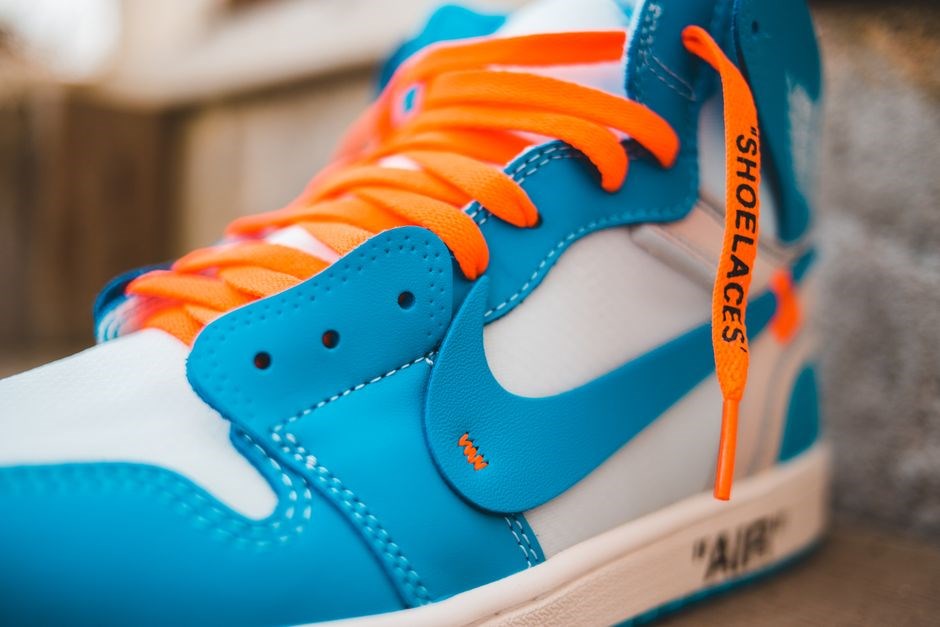
Eyelet count directly influences required lace length; Larger shoes with more eyelets need longer laces, while smaller shoes with fewer eyelets require shorter lengths. Use the ShoelacesExpress eyelet chart to match size and eyelet count for optimal fit for all shoes !!?
When you open the eyelet chart, you’ll see a grid that lists shoe sizes on one axis and the corresponding number of eyelets on the other. Each cell in the grid shows the recommended lace length for that specific size‑eyelet combination. To read the chart, first locate your shoe size in the left column. Then scan rightward until you find the column that matches the number of eyelets your shoe has. The number in that cell is the length you should purchase. For example, a size 9 shoe with 10 eyelets typically requires a 45‑inch lace, whereas a size 9 with 12 eyelets calls for a 50‑inch lace. If your shoe has an unusual eyelet count—such as 8 or 14—you’ll find those values in the chart’s extended rows. Always round up to the nearest standard lace length offered by the retailer, as most laces are sold in 5‑inch increments. If you’re unsure whether your shoe’s eyelet count matches the chart, count the eyelets yourself: start at the top of the shoe and count each vertical row until you reach the bottom. This simple method ensures you pick the correct length and avoid laces that are too short or too long, which can compromise fit and comfort. By following the chart precisely, you can confidently select a lace length that fits your footwear perfectly and keeps your shoes secure during every activity.
Remember to cross‑check the chart’s eyelet count with your shoe’s actual eyelets, as some brands use non‑standard spacing that can affect length. If you’re still unsure, try a shorter lace first; you can always trim or replace it later. This approach saves time and ensures a snug fit.
Adjusting Length Based on Lacing Pattern Preferences
When selecting a lace length, the lacing pattern you choose directly influences how much material is used. Tight, criss‑cross patterns pull the lace through every eyelet, creating a snug fit but requiring a slightly longer lace. Loose, runner styles let the lace sit loosely, so a shorter lace can still reach the bottom. A quick rule of thumb is to add 0.5 inches for every two eyelets when you want a tighter look, and subtract 0.5 inches for a looser feel.
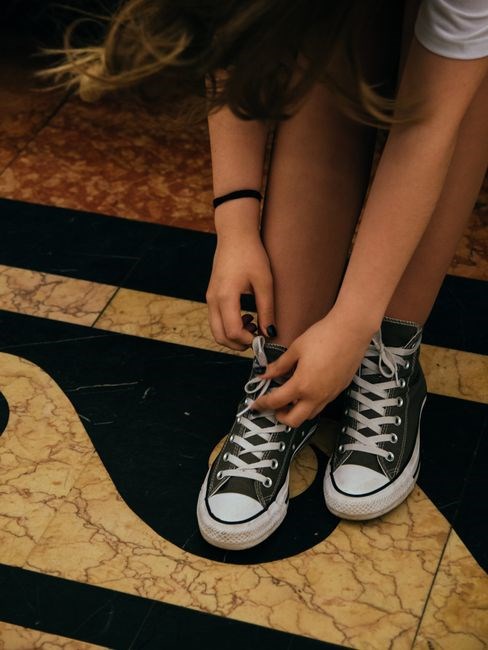
For example, a size 9 shoe with 10 eyelets that you lace tightly would normally call for a 45‑inch lace; adding 0.5 inches per two eyelets gives an extra 2.5 inches, so a 48‑inch lace is ideal. If you prefer a looser appearance, subtract the same amount to get a 42‑inch lace. This simple adjustment works for most athletic and casual shoes.
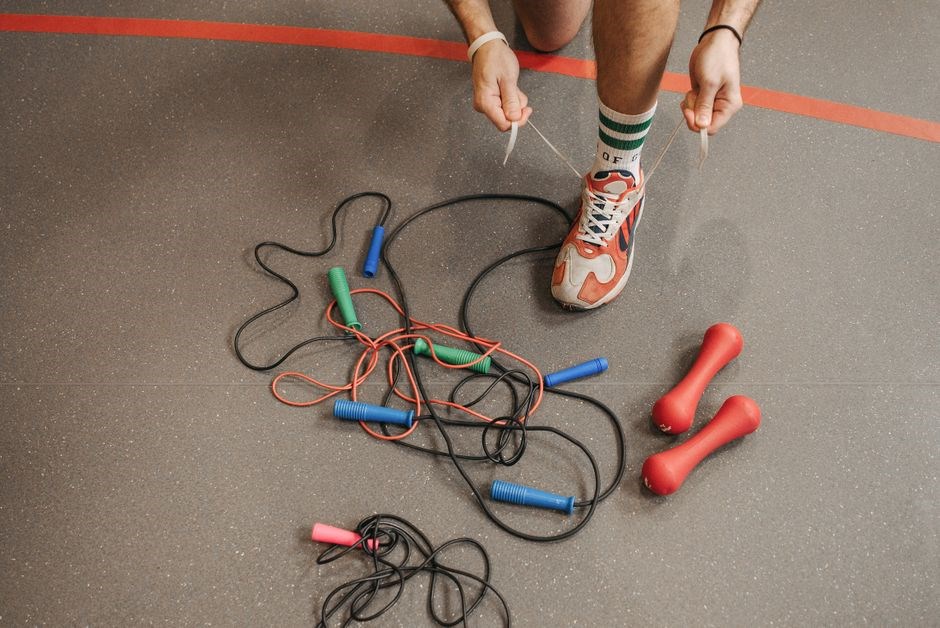
When using bulk lacing solutions or elastic laces, the calculation changes. Bulk laces need about 1.5 to 2 times the standard length because they wrap around the shoe’s perimeter. Elastic laces reduce the need for extra length, so you can often choose the base length from the chart and add only a minimal adjustment.
Lorem ipsum dolor sit amet, consectetur adipiscing elit. Sed do eiusmod tempor incididunt ut labore et dolore magna aliqua. Ut enim ad minim veniam, quis nostrud exercitation ullamco laboris nisi ut aliquip ex ea commodo consequat. Duis aute irure dolor in reprehenderit in voluptate velit esse cillum dolore eu fugiat nulla pariatur. Excepteur sint occaecat cupidatat non proident, sunt in culpa qui officia deserunt mollit anim id est laborum. End;!!!!!
Choosing the Right Lacing Style
Choose elastic athletic laces for flexibility, sports‑specific for durability, or custom round, flat, tubular for style. Bulk lacing offers high volume and easy replacement. Match lace type to shoe use and lacing pattern for optimal fit and comfort. Ideal for everyday wear and competitive play. Perfect fit. Great!!! Enjoy!!!
Elastic Athletic Laces for Flexibility and Comfort
Elastic athletic laces are engineered with high‑density elastomeric fibers that give a snug, flexible fit while keeping the shoe’s structural integrity for high‑impact sports. Their stretchability lets the lace adapt to dynamic foot movements, reducing blisters and ensuring even pressure across the shoe. These laces are ideal for athletes needing quick lacing and unlacing, as the elastic core shortens the time to secure the shoe without losing tension. They also adjust to varying foot widths, fitting both narrow and wide feet. Elastic laces feature a smooth, low‑friction surface that minimizes snagging on eyelets, extending lifespan. When choosing length, refer to the shoelace length guide and eyelet chart for your shoe size and eyelet count. For most running shoes, a 45‑inch length is optimal; cross‑country shoes may need a slightly longer 50‑inch option. Elasticity allows customizable tension, letting athletes fine‑tune fit for different terrains or training intensities. In summary, elastic athletic laces combine comfort, durability, and performance, making them a top choice for runners, hikers, and sports enthusiasts. and fits!
Elastic laces resist moisture, keeping dry during sweaty workouts. Many athletes report less foot fatigue because dynamic tension distributes evenly. The quick‑release feature suits sports like soccer or basketball, where players adjust laces mid‑game. They are available in various colors and thicknesses, allowing customization without compromising performance. They also boost durability for long‑term use;
Sports-Specific Laces: Performance and Durability
Sports-specific laces are engineered to meet the demands of particular athletic disciplines, offering tailored features such as enhanced abrasion resistance, color‑coded eyelets for quick identification, and reinforced stitching for long‑term use. For example, laces used in trail running or mountain biking often incorporate a high‑strength nylon core and a moisture‑wicking coating that keeps the lace dry during intense sessions. In contrast, laces designed for soccer or basketball may feature a tighter weave to prevent fraying during rapid directional changes and a slightly thicker profile to provide additional support around the ankle.
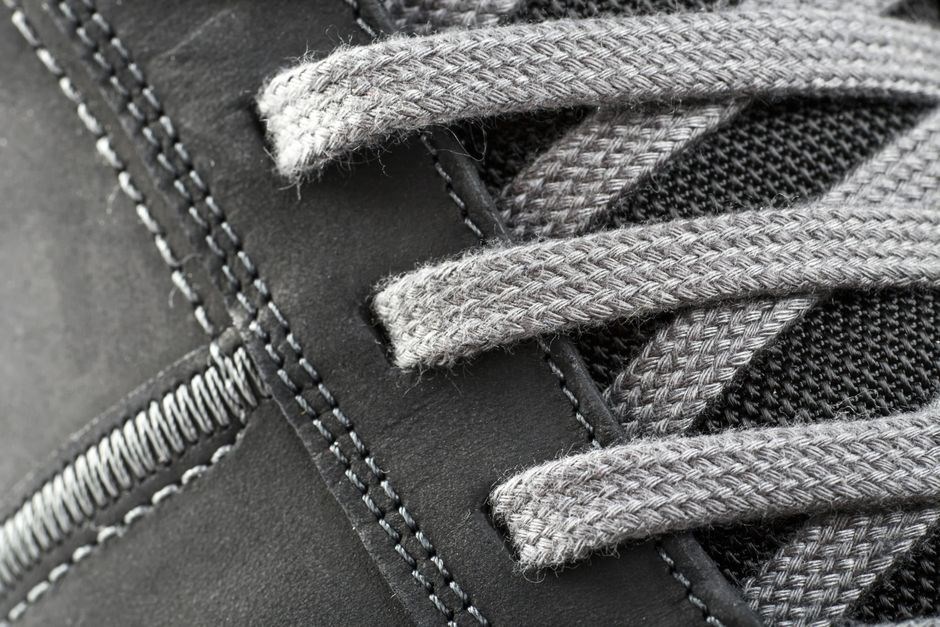
Durability is a key selling point; manufacturers often use a double‑layer construction that resists tangling and reduces the need for frequent replacements. Many sports‑specific options also come in a range of lengths that correspond to common shoe sizes and eyelet counts, ensuring that athletes can quickly find a lace that fits without compromising performance. By selecting laces that match the specific requirements of a sport, athletes can maintain optimal tension, reduce the risk of slippage, and enjoy a longer lifespan for their footwear.
Proper maintenance, such as rinsing laces after exposure to sweat or dirt, can further extend their life. Some manufacturers offer interchangeable eyelet caps that allow athletes to switch colors or add reflective strips for nighttime play, enhancing both safety and style. These features underscore the versatility of sports‑specific laces, proving that performance and durability can coexist without sacrificing aesthetics. Choose enjoy and the difference today now
Common Shoelace Types and Uses
Custom round laces offer a l easy knotting, ideal for shoes; Flat laces reduce bulk and prevent fraying, for footwear. Tubular laces stay hidden inside the shoo, preventing snags and providing a profile. Bulk laces give extra length for oversized shoe or purposes.! ne
Custom Round, Flat, and Tubular Laces
Custom round laces are the classic choice for most everyday shoes. Their cylindrical shape allows for smooth, even tension and a secure knot that resists slipping. They are ideal for casual sneakers, trainers, and low‑cut boots where a traditional look is desired. Flat laces, on the other hand, present a slimmer profile that reduces bulk inside the shoe. This makes them perfect for high‑cut footwear, hiking boots, and any shoe where a clean line is important. Because flat laces lie flat against the eyelets, they also minimize the risk of fraying and provide a more comfortable fit for people who prefer a tighter feel. Tubular laces are engineered to fit snugly inside the eyelet channel, staying hidden from view. This not only gives the shoe a sleek aesthetic but also protects the laces from external wear and tear. Tubular laces are especially popular in performance shoes, such as running or soccer cleats, where a low profile can improve speed and reduce drag. Each type offers distinct benefits: round laces for classic durability, flat laces for reduced bulk and increased comfort, and tubular laces for a streamlined look and enhanced protection. Choosing the right style depends on the shoe’s design, the wearer’s preference, and the intended use of the footwear. By matching the lace type to your specific needs, you can achieve optimal fit, appearance, and longevity for every pair of shoes. For instance, a 45‑inch length works well for most adult sneakers, while a 60‑inch length is suitable for high‑cut hiking boots. Adjusting length style secures cuts daily wear.
Bulk Lacing Solutions and Applications
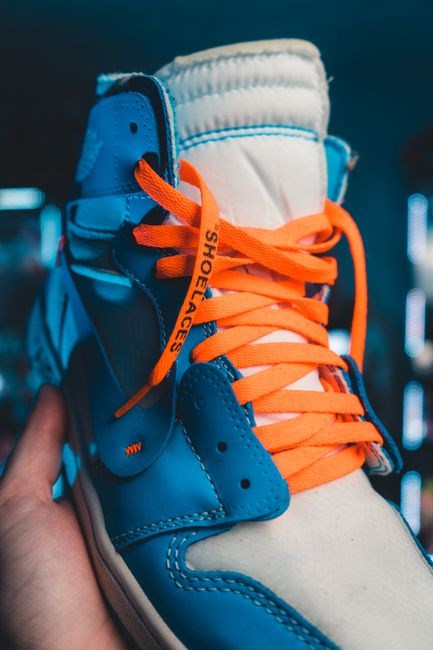
Bulk lacing solutions are designed for high‑volume or commercial footwear applications where large quantities of laces are required. These laces are typically produced in long lengths and are available in a range of diameters and materials to accommodate different shoe styles. Bulk lacing is ideal for sports teams, schools, and retail outlets that need to replace or upgrade laces quickly and cost‑effectively. By ordering laces in bulk, you can take advantage of economies of scale, reducing the per‑unit cost while ensuring a consistent supply for all your footwear needs. Bulk lacing solutions also offer flexibility in terms of length selection; you can choose from standard lengths such as 45 inches or 60 inches, or request custom lengths to match specific eyelet counts and shoe sizes. This flexibility allows you to maintain a uniform look across multiple shoe models, simplifying inventory management and reducing waste. Additionally, bulk lacing is compatible with a variety of lacing styles, including elastic athletic and sports‑specific laces, making it a versatile choice for any organization that requires reliable, high‑quality lacing. When selecting bulk laces, be sure to consult the eyelet chart and length guide to ensure the correct fit for each shoe type. Bulk lacing solutions help streamline operations, cut costs, and provide a professional appearance for any footwear collection.
Bulk lacing also supports quick replacement during field repairs, ensuring minimal downtime for athletes. It’s standardized lengths reduce inventory complexity and improve overall supply chain efficiency. This approach also cuts waste!