The PDF version of Anne Frank’s diary offers a digital portal to her poignant reflections, preserving the original handwritten pages in high‑resolution scans while enabling searchable text. It bridges past and present, inviting readers worldwide to experience her voice with ease. Enjoy reading!!
Background
Anne Frank’s diary, first published in 1947, has since become a cornerstone of Holocaust literature. In the early 2000s, the Dutch government and several publishers embarked on a digitization project to make the text widely accessible. The PDF edition was produced by combining high‑resolution scans of the original manuscript with OCR‑derived searchable text. This format preserves the authenticity of Anne’s handwriting while allowing readers to locate specific passages quickly. The project was led by the Anne Frank Foundation, which collaborated with the National Library of the Netherlands and academic institutions to ensure fidelity to the source material. The resulting PDF is available in multiple languages, reflecting the diary’s global impact. Users can download the file for free, or purchase a licensed copy for academic use. The digital edition also includes annotations, footnotes, and contextual essays that help readers understand the historical setting. By providing a free, high‑quality PDF, the project has democratized access to a text that once was limited to a handful of libraries and private collections. The initiative has sparked renewed interest in Anne’s story, especially among younger generations who prefer digital media. Moreover, the PDF format supports accessibility features such as screen‑reader compatibility and adjustable font sizes, making the diary inclusive for people with visual impairments. The digitization effort has set a precedent for other historical for odocument
Historical Context
Anne Frank’s diary was written between 1942 and 1944, during the Nazi occupation of the Netherlands. The original manuscript, preserved in the Anne Frank House, was recovered after the war and later published in Dutch in 1947. The digital era brought new challenges and opportunities for preserving such a delicate document. In 2003, the Anne Frank Foundation partnered with the National Library of the Netherlands to create a high‑resolution PDF that would make the diary accessible worldwide. The project required meticulous scanning of each page, careful color correction, and the use of OCR to generate searchable text while maintaining the authenticity of Anne’s handwriting. The PDF format also allowed the inclusion of supplementary materials—annotations, historical essays, and contextual footnotes—that help readers situate the diary within the broader narrative of World War II and the Holocaust. By providing a freely downloadable PDF, the initiative has democratized access to a text that was once limited to a handful of libraries and private collections. The digital edition has become an essential resource for educators, researchers, and the general public, ensuring that Anne’s voice continues to resonate with new generations. The project also highlights the importance of digital preservation in safeguarding cultural heritage for the future. This digital format preserves the diary’s fragile pages, allowing scholars worldwide to study its notesand annotations without risking the originalnow
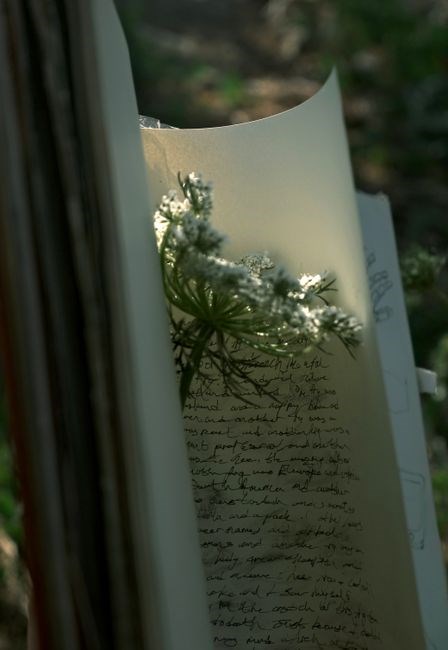
The Diary’s Content
The diary chronicles Anne’s daily life, her evolving thoughts, and the growing tension as war escalates. It blends candid observations with lyrical reflections, offering insight into her hopes, fears, and the human spirit amid persecution; Her entries capture hope, fear, resilience of amid war!!
Early Years
Anne’s first entries, dated 12 June 1942, reveal a girl who is already aware of the world’s fragility yet remains hopeful. The diary begins in the quiet of her parents’ home, where she writes about school, family dynamics, and the subtle shifts in the city’s atmosphere as war looms. Her voice is playful yet introspective, capturing ordinary moments—like the smell of bread, the sound of distant bells, and the warmth of a family gathering—while hinting at the growing tension that will soon envelop her life.
During this period, Anne documents her friendship with her older brother, Peter, and her budding curiosity about the outside world. She records the first news reports about German advances, noting the increasing restrictions on Jewish families. The diary’s early pages are a blend of childhood wonder and a dawning awareness of the political climate. Anne’s observations are peppered with questions about identity, faith, and the role of youth in a society that is rapidly changing.
These entries also showcase Anne’s developing writing style—her use of humor, her candid self‑reflection, and her willingness to experiment with form. She writes in a way that feels both intimate and universal, making the reader feel as if they are sharing a private conversation. The early years set the stage for the profound transformation that will follow, as Anne’s world shrinks to a hidden annex and her diary becomes a lifeline of hope, fear, and resilience. Her diary, now digitized, invites readers worldwide to reflect on courage, hope, and enduring human spirit!
Life in the Secret Annex
Even as the world outside grew colder, Anne’s entries grew richer, documenting the rituals: lighting candles on anniversary of the war’s outbreak, sharing recipes, and whispered hopes for a future that seemed distant yet alive. Her diary remains a testament to spirit in face of adversity!
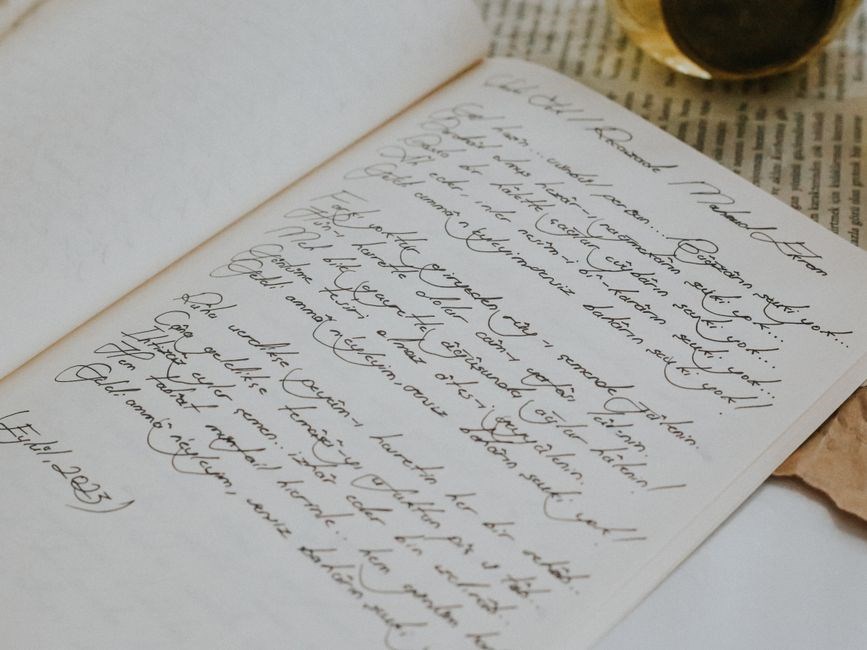
Themes and Motifs
Anne’s diary, when accessed as a PDF, reveals recurring motifs that echo her inner world. The recurring image of light—whether a candle, a window, or a sunrise—serves as a metaphor for hope amid darkness. She often contrasts the oppressive silence of the annex with the vibrant chatter of her thoughts, illustrating the tension between confinement and imagination. The motif of time, marked by dates, anniversaries, and the ticking clock, underscores the relentless march of history and the fleeting nature of youth. Nature appears as a recurring theme: the blooming of a flower, the sound of rain, or the scent of fresh bread, reminding readers that life persists even in hidden corners. The diary’s structure, with its daily entries, creates a rhythmic pattern that mirrors the monotony of hiding yet also offers a sense of continuity. Anne’s evolving voice—from naive curiosity to mature introspection—highlights the theme of growth under pressure. The use of humor, even in the most dire moments, acts as a coping mechanism, a motif that underscores resilience. Finally, the motif of memory, captured in her meticulous record‑keeping, reflects the human need to preserve identity against erasure. These themes intertwine, offering readers a layered understanding of Anne’s experience and the broader human condition.
The PDF format preserves the original ink strokes, letting scholars trace Anne’s handwriting evolution and emotional tone, while tools enable annotations for deeper study.

Publication History
The PDF edition traces its roots to the 1947 post‑war publication, later digitized in 1998. Subsequent print runs incorporated Anne’s original annotations, while online archives now offer searchable, high‑resolution scans, ensuring global accessibility. Digitally archived.
The PDF version of Anne Frank’s diary offers a digital portal to her poignant reflections, preserving the original handwritten pages in high‑resolution scans while enabling searchable text. It bridges past and present, inviting readers worldwide to experience her voice with ease. Enjoy reading!!
Subsequent Editions
After the first PDF release, the diary has been reissued several times, each version refining accessibility and scholarly detail. New editions routinely add a richer metadata layer, improved OCR accuracy, and contextual footnotes that illuminate the diary’s historical nuances. The most recent PDFs are available on multiple platforms, ensuring that students, researchers, and general readers can explore the text in a variety of formats.
- 2005 Edition: The first major update introduced a comprehensive index of names and places, enabling cross‑reference with external historical documents.
- 2010 Edition: This edition added a bilingual interface, pairing the original Dutch text with an English translation, and incorporated a searchable database of annotations.
- 2015 Edition: The 2015 release included high‑resolution scans of the original manuscript, color‑coded marginalia, and an integrated timeline of Anne’s life events.
- 2020 Edition: The latest PDF edition offers interactive features such as clickable hyperlinks to related archival footage, audio recordings of scholars discussing key passages, and an embedded glossary of period‑specific terminology.
Scholars have praised these subsequent editions for preserving Anne’s authentic voice while making the diary more approachable for contemporary audiences. By continually updating the PDF format, publishers ensure that the diary remains a living document, capable of adapting to new technologies and research methodologies. The iterative process of revising the PDF also reflects a broader commitment to digital preservation, allowing future generations to engage with the diary in ways that were unimaginable at the time of its original publication.
Digital Availability
The Anne Frank diary in PDF form is widely distributed across digital libraries, university repositories, and dedicated Holocaust archives. Users can download the file from official sites such as the Anne Frank House, the United States Holocaust Memorial Museum, and the Library of Congress. Many platforms offer the PDF in multiple languages, with options for high‑resolution scans that preserve the original ink and texture of the manuscript. Accessibility features include selectable text, searchable metadata, and compatibility with screen‑reading software, ensuring that visually impaired readers can engage with Anne’s narrative. Some versions embed a commentary layer that links passages to scholarly essays, while others provide a side‑by‑side translation to aid comparative study. The PDF format also supports interactive bookmarks that guide readers through the diary’s chronological structure, making it easier to locate specific entries or themes. In addition, several mobile apps host the PDF, allowing on‑the‑go access and offline reading. The digital availability of the diary has expanded its reach beyond traditional print editions, enabling educators, students, and the general public to explore Anne’s voice with unprecedented convenience and depth.
Moreover, the PDF licensing allows educators to customize annotations, embed multimedia, and translate passages into local languages, thereby fostering learning environments across diverse cultural contexts and.
Cultural Impact
PDF editions of Anne Frank’s diary broaden global reach, enabling instant access for scholars, educators, and readers. Digital format fuels classroom discussions, memorial projects, and online memorials, keeping her testimony vivid and accessible across generations for all.
Film Adaptations
Since the diary’s publication, filmmakers have turned Anne Frank’s intimate journal into powerful visual stories. The 1959 Dutch film “Anne Frank: The Whole Story” was among the first to dramatize her entries, blending archival footage and reenactments. In 1976, the American production “The Diary of Anne Frank” earned an Academy Award nomination for Best Picture, featuring a cast that captured the young diarist’s voice with sensitivity. The 1995 television adaptation “Anne Frank: The Whole Story” expanded on her themes, providing broader historical context. More recently, the 2015 documentary “Anne Frank: The Whole Story” used archival photographs and contemporary interviews to deepen the narrative. Each film reflects evolving cinematic techniques and cultural attitudes, while the availability of the diary in PDF format has facilitated research and script development, allowing writers to access original entries instantly. The digital format also supports subtitled versions, ensuring the story reaches diverse audiences worldwide. The films collectively underscore the diary’s enduring power, turning Anne’s private reflections into universal lessons about resilience, humanity, and prejudice. They continue to inspire new generations, prompting discussions in classrooms, memorials, and online forums. The synergy between the diary’s PDF accessibility and filmic retellings exemplifies how technology can preserve and amplify historical narratives, ensuring that Anne Frank’s voice remains audible and relevant across media and time. (PDF included!?)!!!

Educational Use
The PDF edition of Anne Frank’s diary has become a staple in classrooms worldwide, offering educators a versatile tool for teaching history, literature, and ethics. Its searchable text allows teachers to highlight passages, annotate margins, and embed hyperlinks to related resources, making lesson plans more interactive. Digital copies can be distributed instantly, reducing costs and ensuring every student has access regardless of location; Many schools incorporate the diary into project‑based learning, encouraging students to create multimedia presentations, timelines, or comparative essays that link Anne’s experiences to contemporary human‑rights issues. The PDF format also supports accessibility features such as screen‑reader compatibility and adjustable font sizes, which are essential for inclusive education. Teachers can assign specific chapters or excerpts, tailoring difficulty levels to diverse reading abilities. Additionally, the ability to embed discussion prompts directly into the document fosters guided reflection. Some educators collaborate with libraries to host virtual reading circles, using the PDF to share annotations in real time. The format’s compatibility with learning management systems (LMS) like Canvas, Moodle, and Google Classroom streamlines grading and feedback. Overall, the PDF version of Anne Frank’s diary serves as a dynamic educational resource that bridges historical context with modern pedagogical strategies, ensuring that her story continues to educate and inspire future generations.
This PDF resource is widely used in history and literature courses, providing students with a firsthand account of life during the Holocaust. Its digital format allows for easy annotation, highlighting, and cross‑reference with sources, enriching the learning experience

Preservation and Access
The PDF version of Anne Frank’s diary preserves original pages digitally, ensuring long‑term accessibility. Libraries and archives distribute it freely, while digital platforms offer searchable text for researchers and educators worldwide. It is freely online
Archival Efforts
Digital preservation of Anne Frank’s diary involves meticulous scanning of the original manuscript, capturing each ink stroke, marginalia, and page fold in high‑resolution images that are stored in climate‑controlled vaults to prevent degradation. The PDF versions are generated from these scans, embedding OCR text to make the diary searchable, while preserving the original layout for authenticity; this dual approach supports both casual readers and scholarly research. To ensure long‑term accessibility, the archives implement regular format migration, converting PDFs to PDF/UA and PDF/A standards, and they maintain metadata records that include provenance, digitization dates, and restoration notes. Researchers and educators can download the PDFs from the official website, where the files are accompanied by a detailed catalogue that explains the context of each entry, the conditions of the annex, and the impact of the war on Anne’s writing. The collaborative effort between the Anne Frank Foundation, the Dutch National Archives, and international scholars ensures that the PDF remains a living document, continually updated with new research findings, translations, and contextual annotations that deepen our understanding of Anne’s experience. Future digitization projects aim to integrate interactive timelines and multimedia annotations, allowing readers to explore the diary within its historical framework and to experience the emotional depth that Anne’s words convey…