Overview of Milton Roy Dosing Pump
Milton Roy dosing pumps are engineered for precision and durability, featuring construction and digital controls. The official manual PDF offers detailed installation, operation, and maintenance guidance for optimal performance. now
Manufacturer Background
Milton Industries, established in the early 20th century, has built a reputation for engineering excellence in pneumatic accessories and fittings. Headquartered in the United States, the company specializes in high‑performance components for industrial and commercial applications. Over the decades, Milton has expanded its portfolio to include a diverse range of precision dosing systems, such as the Milton Roy dosing pump, designed for accurate fluid delivery in chemical processing, food and beverage, and pharmaceutical manufacturing. The firm’s commitment to quality is reflected in its rigorous testing protocols and adherence to international standards. Milton’s manufacturing facilities employ advanced automation and quality‑control technologies, ensuring consistent product reliability. The company’s customer‑centric approach, combined with a global distribution network, has positioned Milton Industries as a trusted partner for clients seeking durable, high‑precision pumping solutions worldwide. Customers worldwide rely on Milton’s dosing pumps for their critical processes, confident that each unit delivers precision, reliability, and compliance with safety standards ! !!
Product Line Positioning
Milton’s dosing pump line occupies a niche at the intersection of high‑precision fluid control and rugged industrial design for automation and processcontrol. The Milton Roy model is engineered for applications that demand exact metering—while enduring harsh environments. Its modular architecture allows easy integration into existing PLC or SCADA systems, and the built‑in digital interface supports real‑time monitoring and remote configuration. Compared to competitors, Milton’s pumps offer a lower total cost of ownership through reduced maintenance cycles, extended service life, and compliance with stringent safety regulations. The company markets the product as a turnkey solution, backed by a comprehensive support package that includes on‑site training, a detailed PDF manual, and a global service network. This positioning reinforces Milton’s reputation for delivering reliable, cost‑effective equipment that meets the evolving demands of modern process industries and safety and quality. In addition, the pumps are available in a range of flow rates from 0.1 L/min to 200 L/min, making them suitable for both small‑scale laboratory setups and large‑scale production lines.
Milton Roy dosing pumps deliver solutions for chemical, food, pharmaceutical, water treatment, and agriculture They provide rates of reagents, flavorings, disinfectants, and fertilizers, ensuring consistent quality and safety compliance!
Key Features of the Dosing Pump
Precision flow control, durable stainless steel construction, digital LCD interface, programmable dosing, low maintenance, high reliability, easy integration into existing systems.!
Precision Flow Control
Milton Roy dosing pumps deliver micron‑level accuracy through a closed‑loop feedback system that continuously monitors pressure and flow. The integrated Hall‑effect sensor reads the rotor position, allowing the controller to adjust the motor torque in real time. Users can set flow rates from 0.01 L/min to 200 L/min in 0.01 L/min increments, with a repeatability of ±0.5 %. The pump’s microprocessor runs a PID algorithm that compensates for viscosity changes, temperature drift, and back‑pressure variations, ensuring stable output even in harsh industrial environments. The digital display shows instantaneous flow, cumulative volume, and error status, and the USB interface permits data logging and firmware updates. Calibration is performed automatically during startup, and the pump logs calibration data for traceability. The design also includes a pressure‑sensing relay that triggers an alarm if the pressure exceeds the user‑defined threshold, preventing over‑pressurization. All these features combine to provide reliable, repeatable dosing for chemical, food, and pharmaceutical applications. Firmware updates are delivered via USB, enabling new dosing modes and performance tweaks.
Durable Construction Materials
Milton Roy dosing pumps are built from a blend of high‑grade materials engineered to withstand corrosive media, high pressure, and temperature extremes. The main body is forged from 316L stainless steel, providing excellent resistance to chloride, sulfuric, and nitric acids while maintaining structural integrity up to 250 °C. Internal components such as the rotor shaft and gear train are fabricated from hardened alloy‑steel (AISI 440C) and then coated with a thin layer of titanium nitride to reduce wear and extend service life. Seals and gaskets are made from fluoropolymer (PTFE) and Viton® to ensure leak‑tight operation with aggressive chemicals. The pump’s bearings are ceramic‑cored to eliminate metal‑to‑metal contact, thereby minimizing friction and eliminating the need for oil lubrication. A protective ceramic coating on the impeller surface further reduces erosion when handling abrasive slurries. The housing is finished with a passivation process that removes surface contaminants, enhancing corrosion resistance. All components are assembled under clean‑room conditions to prevent contamination. The result is a pump that can operate continuously for 10,000+ hours in demanding industrial processes, while maintaining tight tolerances and low maintenance requirements. All parts meet ISO 9001 quality standards for production!!!
Digital Interface and Connectivity
Milton Roy dosing pumps feature an intuitive, touch‑based LCD interface that displays real‑time operating parameters such as flow rate, pressure, and temperature. The controller supports RS‑232, Modbus RTU, and Ethernet/IP protocols, enabling seamless integration with SCADA systems and PLCs for remote monitoring and automated control. Users can program custom dosing schedules via the onboard keypad or through a PC‑based configuration utility that communicates over USB. Firmware updates are delivered through the same USB interface, ensuring the pump remains compliant with evolving industry standards. The device also includes a built‑in diagnostic module that logs error codes and performance metrics to an SD card, facilitating predictive maintenance. All communication ports are protected by surge‑protective circuitry to guard against electrical spikes. The user interface is designed with a high‑contrast, anti‑glare display and offers multilingual support, making it suitable for global deployment. The combination of a robust hardware platform and flexible connectivity options gives operators precise control and real‑time visibility over dosing operations. Settings are logged and retrieved via a cloud portal, ensuring audit readiness!
Installation Guide
Follow the PDF manual for mounting, wiring, and safety checks. Use listed tools, secure the pump, connect power, set flow parameters, and run a test cycle before full operation. Ensure grounding, pressure.
Required Tools and Equipment
Before installing the Milton Roy dosing pump, gather the following tools and equipment as specified in the official manual PDF. A calibrated digital multimeter is essential for verifying electrical connections and ensuring proper voltage levels. A 10‑mm wrench set, adjustable spanner, and torque wrench are required to secure mounting brackets and pipe fittings. Use a pipe cutter or saw for precise pipe section cuts, followed by a deburring tool to smooth edges. A silicone sealant kit, including a caulking gun, ensures leak‑free connections. For pneumatic systems, a pressure gauge and a pressure regulator are necessary to monitor and adjust system pressure. A safety harness and eye protection are mandatory when working at heights or near moving parts; Finally, have a spare set of O‑rings, gaskets, and a cleaning kit to maintain seal integrity during installation All tools should be inspected for wear before use to guarantee safe and reliable operation
Step‑by‑Step Mounting Instructions

Position the pump on a level surface and secure it with the provided mounting brackets. 2. Align inlet and outlet ports with the piping system, ensuring correct flow direction. 3. Tighten all fittings using the torque wrench to the manufacturer’s specified torque values. 4. Apply silicone sealant to all joint interfaces to prevent leaks. 5. Connect the electrical supply, verifying correct polarity and grounding. 6. Test the pump at low flow to confirm proper operation before full load. 7. Inspect all connections for tightness and seal integrity. 8. Document the installation details for future reference.
Verify that the pump’s internal seals are intact and replace any worn components before final operation. 10. Perform a leak test by applying pressure to the inlet line and observing for drops in pressure or audible leaks. 11. Record the final flow rate using the digital display and adjust the setpoint to match process requirements. 12. Secure the pump’s power cable with cable ties to prevent accidental disconnection. 13. Label all ports and connections for future maintenance. 14. Store the pump in a dry, temperature‑controlled environment when not in use. !!
Electrical and Safety Precautions
Before connecting the Milton Roy dosing pump to any power source, verify that the supply voltage matches the specified rating (typically 120 V or 240 V, 50/60 Hz). Use a properly grounded outlet and ensure the circuit is protected by a fuse or circuit breaker that meets the pump’s current draw. All personnel must wear insulated gloves and safety glasses when handling the unit. The pump’s enclosure should be sealed against dust and moisture; install a de‑humidifier if operating in high‑humidity environments. Ground the pump’s metal housing to prevent static buildup, and check that the grounding strap is securely fastened. When starting the pump, apply a gradual voltage ramp to avoid inrush currents that could damage the motor. Inspect all wiring for wear, corrosion or loose connections before each use. The pump’s emergency stop button must be easily accessible and tested monthly. Keep the area around the pump clear of flammable liquids and ensure adequate ventilation to dissipate any fumes. In case of a fault, disconnect the power immediately, isolate the circuit, and contact qualified service personnel. Follow all local electrical codes and manufacturer guidelines to maintain compliance and safety. Follow local rules!!
Operating Instructions
Follow the Milton Roy manual for start‑up: power on, set desired flow via display, verify inlet pressure, and monitor LEDs. Adjust flow with rotary knob, then log settings for repeatability. and log data.!!

Setting Desired Flow Rates
To configure the Milton Roy dosing pump, first ensure the unit is powered and the inlet pressure is within the specified range. On the front panel, locate the digital display and the flow‑rate adjustment knob. Press the “SET” button to enter programming mode. The display will prompt you to input the target flow in milliliters per minute (mL /min). Use the knob to scroll through the numeric values; the display will update in real time. Once the desired rate is shown, press “CONFIRM” to lock the setting. The pump will automatically maintain this rate by adjusting the valve position in response to inlet pressure changes. The pump’s internal PID controller ensures stable flow when inlet pressure fluctuates, and logs deviations for troubleshooting. Now fast. log! If you need to switch between multiple preset rates, press the “PRESET” button to cycle through the stored values. Always verify the final rate by observing the indicator light and, if available, a connected flow meter. Remember to document the settings in your process log for traceability and to facilitate future maintenance. For advanced users, the pump’s web interface allows remote monitoring and adjustment via the provided PDF guide.

Monitoring and Adjusting Pump Performance
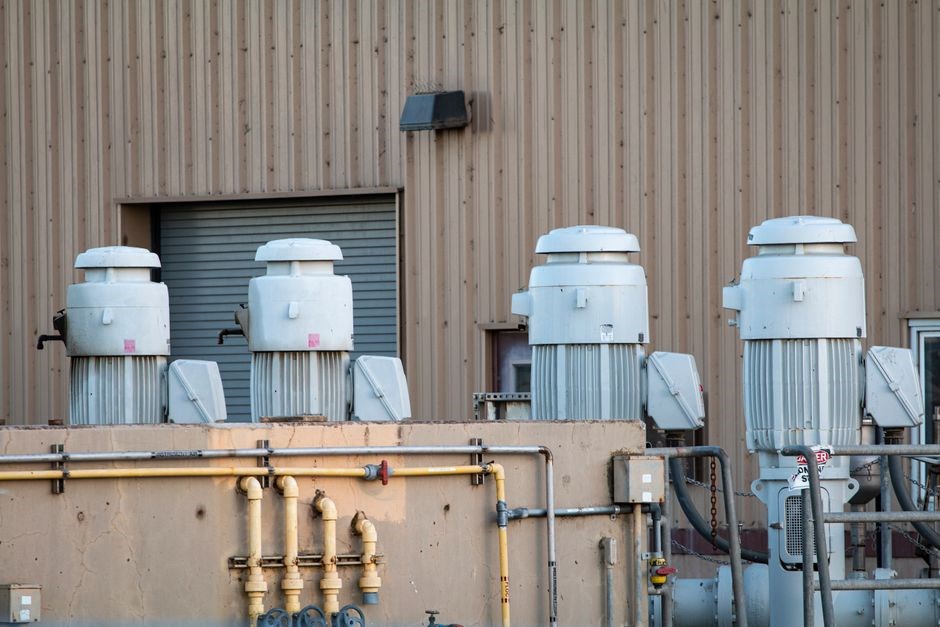
Once the pump is operating, the digital display continuously shows real‑time flow, pressure, and temperature. The “STAT” icon indicates normal operation; a yellow flag signals a deviation. To troubleshoot, press the “ALARM” button to view the error code and reference the troubleshooting table in the PDF manual. If the flow falls below the setpoint, the controller will increase valve opening; if it exceeds, it will close the valve. For fine‑tuning, use the “CALIBRATE” function: press and hold the button until the display flashes “CAL”. Then adjust the flow manually with the knob until the display matches the target value, and press “SAVE”. The pump logs each calibration in the internal memory, which can be downloaded via the USB port for audit purposes. For continuous monitoring, connect the pump to a SCADA system using the RS‑485 port; the manual provides the communication protocol. Regularly review the performance log to detect drift and schedule preventive maintenance accordingly. This ensures consistent dosing accuracy and extends the pump’s service life.
Use the built‑in diagnostics to run a self‑check: press the “DIAG” button, wait for the LED to flash green, review the error log via USB. This test confirms sensor integrity and ensures the pump stays calibrated for precise dosing.
Check the maintenance log for any anomalies!

Safety Features and User Alerts
Milton Roy dosing pumps incorporate multiple safety mechanisms to protect operators and equipment. The built‑in pressure relief valve automatically opens when inlet pressure exceeds 120 psi, preventing over‑pressurization. An over‑temperature sensor monitors motor temperature; if it rises above 85 °C, the controller shuts the pump down and triggers a red LED alarm. The emergency stop button, located on the front panel, instantly cuts power and is wired to a dedicated circuit breaker for rapid isolation. The pump’s enclosure is sealed with a NEMA 4X rating, safeguarding against dust and water ingress, which is critical for outdoor or wet‑site installations. User alerts are displayed on a 2‑line LCD: the first line shows the current flow rate, the second line lists active alarms. Audible alerts are generated by a 3‑kHz buzzer that sounds for any fault condition. The controller low‑cost logs all events to internal memory, which can be exported via USB for audit trails. Regular safety checks, such as verifying the emergency stop function and inspecting the pressure relief valve, are recommended every 12 months as outlined in the PDF manual. Adhering to these procedures ensures reliable operation and compliance with industry safety standards.
Troubleshooting & Maintenance
Follow the PDF guide for fault codes, inspect seals, clean filters, and replace worn bearings. Schedule quarterly checks, update firmware, and document all actions in the logbook. Check calibration !!
Common Operational Issues
Common operational issues with Milton Roy dosing pumps often stem from mechanical wear, electronic glitches, or improper setup. The PDF manual highlights three primary symptoms: erratic flow rates, unexpected shutdowns, and inaccurate pressure readings. Erratic flow can result from clogged inlet filters, degraded diaphragms, or air leaks in the suction line. Unexpected shutdowns are usually triggered by over‑temperature warnings, low‑voltage conditions, or fault codes displayed on the digital panel. Inaccurate pressure readings may indicate a misaligned pressure transducer, sensor drift, or calibration drift over time. The troubleshooting flowchart in the manual recommends first verifying power supply integrity, inspecting all hoses for kinks or blockages, and running a self‑diagnostic routine. If the problem persists, replace the diaphragm or pressure sensor as specified, and perform a full system reset. Regularly updating firmware, cleaning filter assemblies, and checking seal integrity are essential preventive steps to avoid these common operational issues Regular preventive maintenance, including calibration checks and replacement of worn parts, extends pump life
Routine Maintenance Schedule
Milton Roy dosing pumps follow a structured maintenance plan to ensure reliability and longevity. The manual PDF outlines the schedule below.
- Daily: Check inlet/outlet ports for blockages, verify pressure gauge accuracy, and confirm no fault codes on the display.
- Weekly: Clean inlet filter, lubricate drive shaft, and run a short self‑diagnostic cycle.
- Monthly: Inspect hoses and fittings for wear, replace diaphragm if deformed, and update firmware if available.
- Quarterly: Calibrate flow meter with a reference standard, verify pump head alignment, and replace pressure transducer if readings drift.
- Annual: Audit the system, replace consumables (filters, diaphragms, seals), and perform a full performance test to confirm flow and pressure limits.
Document all maintenance actions in the pump’s logbook. Deviations from the recommended procedure must be reported to technical support.
Follow the schedule strictly; skipping any step can lead to performance loss or safety hazards. Keep spare parts on hand and log each service event for traceability.
Consult the PDF for updates.
Not;
Accessing the PDF Manual Online
Milton Roy’s official site offers a support portal where the latest dosing‑pump manual can be downloaded as a PDF. Navigate to the Products page, choose the specific model, and click the Documentation tab. A login is required; register with your purchase confirmation email if you lack credentials. Once logged in, the link “Milton Roy Dosing Pump Manual – PDF” appears; click to download or right‑click to open in a new tab. The PDF is optimized for desktop and mobile, featuring searchable text and embedded hyperlinks to troubleshooting and maintenance sections. For a printed version, use the “Print‑Friendly” button that formats the document for paper output. If the download fails, clear the browser cache or try a different browser such as Chrome or Firefox. For further assistance, contact support via live chat or email support@miltonroy.com. The manual updates quarterly; a version history at the bottom of the download page shows the last revision date and changes made. Now