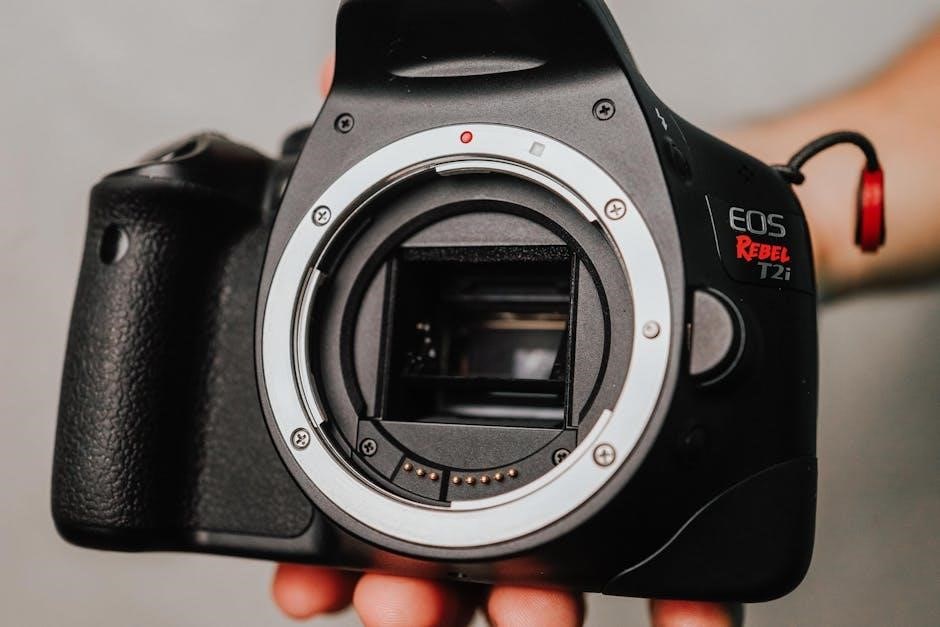
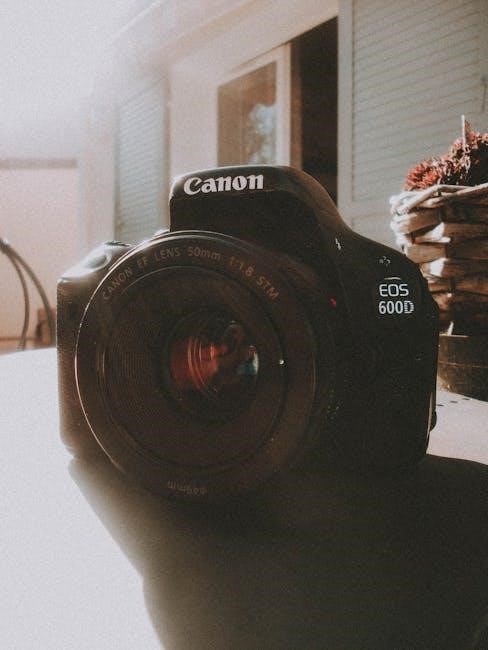
The Canon Rebel T3‚ also known as the EOS 1100D‚ is a popular entry-level DSLR‚ offering a fantastic starting point for aspiring photographers.
Manuals detail basic operations‚ safety warnings‚ and shooting close-ups‚ providing essential guidance for new users.
Understanding power-on procedures and initial setup is crucial‚ as highlighted in available instruction resources.
What is the Canon Rebel T3?
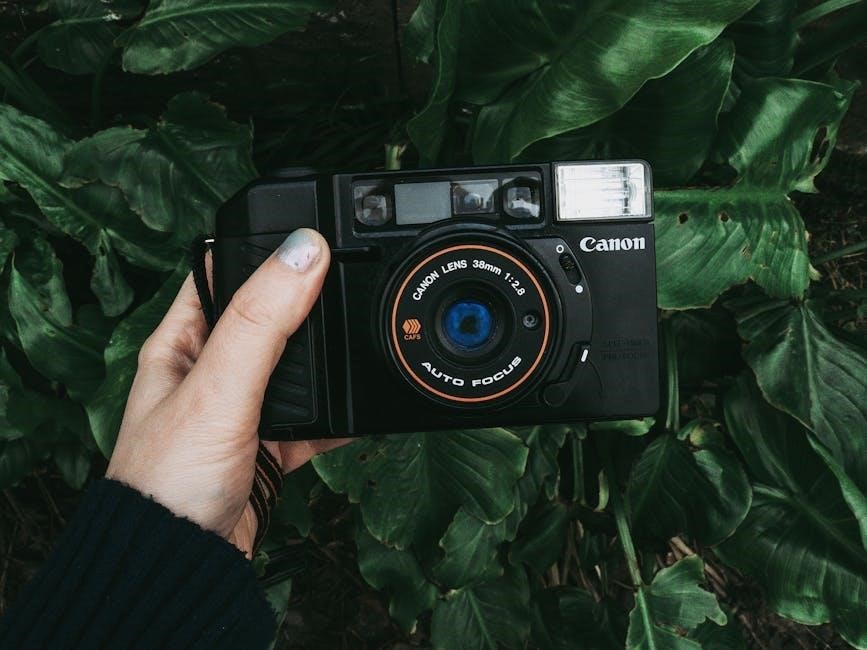
The Canon Rebel T3 (EOS 1100D) represents Canon’s accessible foray into the world of Digital Single-Lens Reflex (DSLR) photography. Released as an entry-level model‚ it’s designed for beginners eager to move beyond smartphone cameras or point-and-shoot devices. Instruction manuals emphasize its user-friendly interface and simplified controls‚ making it approachable for those new to manual camera settings.
This DSLR boasts a 12.2-megapixel CMOS sensor‚ capable of capturing detailed images. Resources like those found on Manualzz.com highlight its core features and basic operations. The camera’s instruction guides cover essential aspects‚ from powering on the device to understanding safety precautions‚ ensuring a smooth learning curve for new photographers. It’s a solid foundation for photographic exploration.
Key Features and Specifications
The Canon Rebel T3 (EOS 1100D) features a 12.2-megapixel APS-C CMOS sensor‚ delivering detailed images. Its DIGIC 4 image processor enhances image quality and speed. The camera supports 720p HD video recording‚ offering basic video capabilities. Manuals detail a 3-point autofocus system‚ suitable for straightforward shooting scenarios.
Key specifications include an ISO range of 100-6400‚ providing flexibility in various lighting conditions. It utilizes an optical viewfinder with 95% coverage. Instruction resources highlight its compatibility with Canon EF and EF-S lenses. The camera’s compact design and lightweight build contribute to its portability‚ making it ideal for beginners exploring photography.
Getting Started: Initial Setup
Initial setup involves inserting the battery and a compatible memory card‚ then accurately setting the date and time via the camera’s menu system.
Powering On and Off the Camera
To power on your Canon Rebel T3 (EOS 1100D)‚ locate the main power switch‚ typically positioned around the shutter button. Slide this switch to the ‘ON’ position. The camera will initialize‚ and the LCD screen will illuminate‚ displaying the live view or last captured image.
To power off the camera‚ return the main power switch to the ‘OFF’ position. Ensure the camera has completed its shutdown process before removing the battery or memory card to prevent data corruption. A brief message will appear on the screen confirming the power-off sequence. Always handle the camera with care during these operations.
Inserting the Battery and Memory Card
To insert the battery‚ locate the battery compartment‚ usually at the bottom of the camera. Unlock the compartment door and insert the Canon LP-E6 battery pack‚ ensuring correct polarity as indicated by the markings inside. Securely close the compartment door until it clicks into place.
For the memory card‚ open the memory card slot cover‚ typically on the side of the camera. Insert a compatible SD card (SDHC/SDXC) label-side up‚ pushing it in until it clicks. Do not force the card. Close the cover. Proper insertion ensures reliable image storage.
Setting the Date and Time
Accurate date and time settings are crucial for proper image organization and metadata. Upon initial power-up‚ the camera will prompt you to set the date and time. Use the directional buttons on the rear panel to navigate and adjust the year‚ month‚ day‚ hour‚ and minute.
Confirm each selection by pressing the SET button. Ensure the correct AM/PM designation is chosen. Incorrect settings can lead to mislabeled files. You can revisit these settings later through the camera’s menu system under the setup options;
Understanding the Camera Interface
The Canon Rebel T3’s interface features a mode dial for shooting options and a menu system accessed via the SET button‚ enabling customization and control.
The Mode Dial: Exploring Shooting Modes
The Canon Rebel T3’s mode dial is your primary control for selecting different shooting scenarios. Auto mode simplifies operation for beginners‚ letting the camera handle all settings. Program (P) mode offers some control while still automating aperture and shutter speed.
Shutter Priority (Tv) allows you to set the shutter speed for motion control‚ Aperture Priority (Av) lets you control depth of field‚ and Manual (M) provides full creative control. Scene modes‚ like portrait or landscape‚ optimize settings for specific subjects. Understanding each mode unlocks the camera’s potential‚ allowing photographers to achieve desired results.
Navigating the Menu System
The Canon Rebel T3’s menu system‚ accessed via the ‘Menu’ button‚ organizes settings into distinct categories. These include shooting‚ quality‚ autofocus‚ setup‚ and more. Use the directional buttons to navigate and the ‘Set’ button to confirm selections.
Familiarize yourself with the menu structure to customize image quality (RAW vs. JPEG)‚ adjust autofocus behavior‚ and configure camera settings like date/time and display options. The manual provides detailed explanations of each menu item‚ ensuring you can tailor the camera to your preferences and shooting style. Careful exploration unlocks full control.
Basic Shooting Operations
Mastering fundamental techniques like focusing‚ exposure control (aperture‚ shutter speed‚ ISO)‚ and flash usage are key to capturing quality images with the Rebel T3.
Focusing Techniques: Autofocus and Manual Focus
The Canon Rebel T3 offers both Autofocus (AF) and Manual Focus (MF) modes‚ catering to diverse shooting scenarios. AF is ideal for quickly capturing sharp images of moving subjects‚ utilizing the camera’s nine autofocus points. Selecting the appropriate AF point is crucial for accurate focus.
MF provides precise control‚ particularly useful for static subjects or low-light conditions where AF may struggle. Utilizing Live View mode enhances MF accuracy‚ allowing for magnified viewing of the image. Experimenting with both modes will unlock your creative potential and ensure consistently sharp results. Remember to consult the manual for detailed explanations of each focusing mode and its settings.
Understanding Exposure: Aperture‚ Shutter Speed‚ and ISO
Mastering exposure is fundamental to photography‚ and the Canon Rebel T3 provides control over three key elements: aperture‚ shutter speed‚ and ISO. Aperture controls the lens opening‚ affecting depth of field – a wider aperture (lower f-number) creates a shallow depth of field‚ blurring the background. Shutter speed determines how long the sensor is exposed to light; faster speeds freeze motion‚ while slower speeds allow more light in.
ISO measures the sensor’s sensitivity to light; higher ISOs are useful in low light but can introduce noise. Balancing these three settings is crucial for achieving a well-exposed image. The camera’s manual offers detailed guidance on utilizing these controls effectively.
Using the Flash: Built-in Flash and External Flash Options
The Canon Rebel T3 features a built-in flash‚ useful for illuminating subjects in low-light conditions or adding fill light in bright sunlight; The manual details how to activate and adjust the flash settings for optimal results. However‚ for more advanced control and power‚ consider an external flash unit.
External flashes offer features like tilting and swiveling heads‚ allowing for creative lighting angles and bounce flash techniques. The camera’s hot shoe provides a connection point for these units. Troubleshooting guides address issues like a flash not popping up‚ ensuring reliable performance.
Advanced Shooting Techniques
Explore RAW versus JPEG capture for editing flexibility‚ utilize Picture Styles for customized image looks‚ and experiment with Scene Modes for varied shooting scenarios.
Shooting in RAW vs. JPEG
Understanding the difference between RAW and JPEG is crucial for advanced control over your images. JPEG files are compressed‚ meaning some image data is discarded to reduce file size‚ making them convenient for immediate use and sharing. However‚ this compression is lossy‚ impacting editing flexibility.
RAW files‚ conversely‚ contain all the data captured by the camera’s sensor. This results in larger file sizes‚ but provides significantly more latitude for post-processing adjustments – exposure‚ white balance‚ and detail recovery – without sacrificing image quality. While requiring editing software‚ RAW offers superior results for serious photographers seeking maximum control and archival quality. The Canon Rebel T3 allows selection of either format within the camera’s menu.
Utilizing Picture Styles
Canon’s Picture Styles offer a convenient way to customize the look of your images directly within the camera. These pre-set profiles adjust parameters like sharpness‚ contrast‚ color saturation‚ and tone to achieve different aesthetic effects. The Canon Rebel T3 includes standard options like Standard‚ Portrait‚ Landscape‚ Neutral‚ Faithful‚ and Monochrome.
Experimenting with these styles allows you to tailor images to specific subjects or personal preferences. For instance‚ ‘Portrait’ enhances skin tones‚ while ‘Landscape’ boosts colors and sharpness. You can also create and save custom Picture Styles‚ fine-tuning individual settings for a truly personalized look‚ reducing post-processing needs.
Exploring Scene Modes
The Canon Rebel T3 features a range of convenient Scene Modes designed to simplify shooting in various conditions. These pre-programmed settings automatically optimize camera parameters for specific scenarios‚ like Portrait‚ Landscape‚ Close-up‚ Sports‚ Night‚ and Children. Selecting the appropriate mode ensures optimal results without requiring manual adjustments to aperture‚ shutter speed‚ or ISO.
For beginners‚ Scene Modes offer a user-friendly way to capture high-quality images. The camera intelligently handles settings‚ allowing you to focus on composition and timing. While offering less creative control than manual modes‚ they’re ideal for quickly adapting to changing environments and achieving pleasing results effortlessly.
Troubleshooting Common Issues
Common problems with the Canon Rebel T3 include the flash failing to pop up‚ camera freezes‚ and poor image quality. Manuals offer solutions!

Flash Not Popping Up
If your Canon Rebel T3’s flash isn’t firing‚ several factors could be at play. First‚ ensure the flash mode isn’t set to ‘Flash Off’ within the camera’s menu system. Check if the camera is in a shooting mode where flash is automatically suppressed‚ like certain scene modes.
Confirm the battery has sufficient charge‚ as low power can sometimes inhibit flash functionality. Also‚ verify that no external flash unit is connected‚ potentially overriding the built-in flash. Refer to the manual for detailed instructions on flash settings and troubleshooting steps‚ including resetting the flash system if necessary. David Agnes’ blog provides additional insights.
Camera Freezing or Not Responding
Experiencing a frozen or unresponsive Canon Rebel T3 can be frustrating. The first step is to attempt a simple reset: turn the camera off and remove the battery for approximately 30 seconds. Reinsert the battery and power the camera back on. If this fails‚ check the memory card; a faulty or full card can sometimes cause lockups.
Ensure the camera isn’t attempting to write data to the card during a critical operation. Consult the instruction manual for specific troubleshooting guidance‚ including potential firmware update procedures. Avoid forceful button presses‚ as this could exacerbate the issue.
Image Quality Problems
Poor image quality on your Canon Rebel T3 often stems from incorrect settings or external factors. First‚ verify your ISO setting; higher ISO values introduce more noise‚ especially in low light. Check your aperture and shutter speed to ensure proper exposure – underexposed or overexposed images appear flawed.
Confirm you’ve selected the appropriate picture style for your scene. The manual details options like ‘Standard‚’ ‘Portrait‚’ and ‘Landscape.’ A dirty sensor can also cause spots or blemishes; refer to the cleaning instructions. Finally‚ ensure your lens is clean and free of scratches;

Maintaining Your Canon Rebel T3
Regular maintenance‚ including sensor cleaning and proper battery care‚ ensures optimal performance and longevity of your Canon Rebel T3.
The manual provides detailed guidance on these essential upkeep procedures.
Cleaning the Sensor
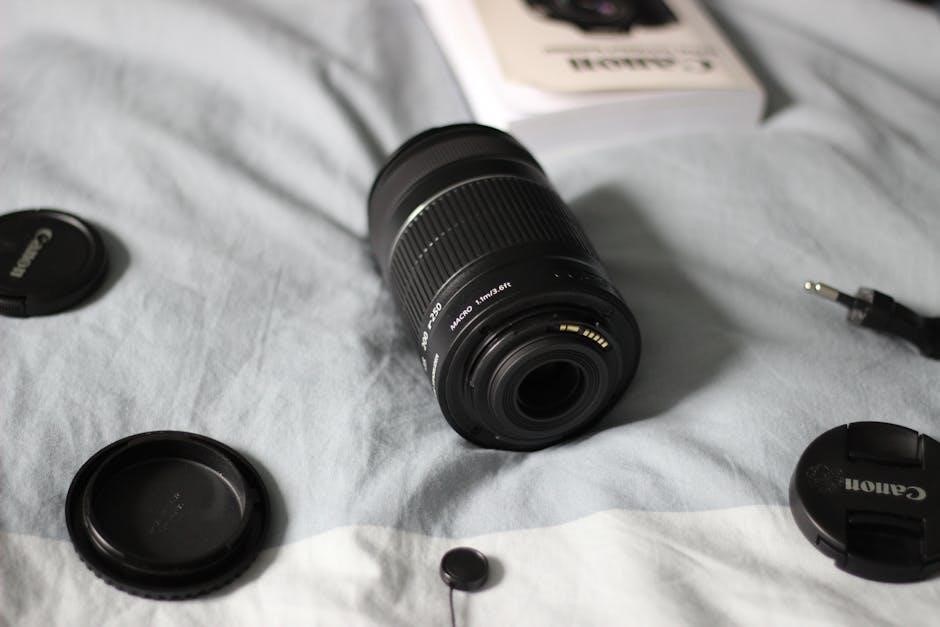
Dust on the image sensor can appear as dark spots in your photos‚ especially at smaller apertures. The Canon Rebel T3’s manual details a self-cleaning mechanism‚ but periodic manual cleaning may be necessary.
Before attempting sensor cleaning‚ ensure the camera is fully charged. Use a blower to gently remove loose dust particles. If spots persist‚ consider a sensor cleaning kit specifically designed for DSLR cameras.
Follow the manual’s instructions carefully when using a cleaning kit‚ as improper technique can damage the sensor. It’s recommended to practice on an older camera body first if you’re unfamiliar with the process. If uncomfortable‚ professional sensor cleaning services are available.
Battery Care and Storage
Proper battery care significantly extends the lifespan of your Canon Rebel T3’s LP-E6 battery. The manual advises fully charging the battery before its first use. Avoid completely discharging the battery‚ as this can reduce its capacity over time.
For long-term storage‚ charge the battery to approximately 50-70% and store it in a cool‚ dry place. Avoid extreme temperatures‚ both hot and cold. Do not leave a fully charged battery unused for extended periods.
Only use Canon-approved chargers to prevent damage to the battery or camera. Regularly check the battery contacts for corrosion and clean them gently if necessary.
Resources and Further Learning
Canon’s official website provides comprehensive support‚ including downloadable manuals and FAQs. Online forums and communities offer valuable tips and troubleshooting assistance for the Rebel T3.
Canon’s Official Website and Support
Canon’s official website serves as a primary resource for Rebel T3 owners‚ offering a wealth of information to enhance your photographic journey. You can directly download the complete camera instruction manual in PDF format‚ ensuring you always have access to detailed guidance.
Beyond the manual‚ Canon provides a dedicated support section with frequently asked questions (FAQs) addressing common issues and troubleshooting steps. Firmware updates‚ crucial for optimal performance and bug fixes‚ are also available for download.
The website features helpful tutorials and guides covering various aspects of the camera’s functionality‚ from basic operations to more advanced techniques. Canon’s support extends to online chat and phone assistance‚ providing direct access to knowledgeable representatives should you require personalized help with your Rebel T3.
Online Forums and Communities
Numerous online forums and communities are dedicated to Canon photography‚ offering invaluable support and shared knowledge for Rebel T3 users. These platforms provide a space to ask questions‚ share experiences‚ and learn from fellow enthusiasts. Websites like Reddit’s r/canon and dedicated photography forums host discussions covering everything from basic instruction manual clarifications to advanced shooting techniques.
Users frequently share tips on troubleshooting common issues‚ like flash problems‚ and offer alternative perspectives on utilizing the camera’s features. These communities often feature user-created tutorials and guides supplementing the official Canon manual.
Engaging with these online resources can significantly accelerate your learning curve and unlock the full potential of your Canon Rebel T3.