Manual Retractable Awning Won’t Close: A Comprehensive Troubleshooting Guide (12/22/2025 19:22:12)
Facing retraction difficulties with your awning? This guide offers detailed steps to diagnose and resolve common issues, from crank malfunctions to fabric jams, ensuring smooth operation․
Understanding Manual Retractable Awning Systems
Manual retractable awnings offer convenient shade control, relying on a mechanical system rather than electricity․ These systems utilize a crank handle connected to a gearbox, which drives the awning’s retraction and extension․ Understanding this fundamental operation is crucial for effective troubleshooting when facing closure problems․
Unlike motorized versions, manual awnings demand physical effort, making identifying issues like gear resistance or arm stiffness essential․ Familiarizing yourself with the core components – fabric, housing, crank, arms, and brackets – empowers you to pinpoint the source of the retraction failure and implement appropriate solutions․
Key Components of a Manual Awning
A manual awning’s functionality hinges on several key parts․ The frame provides structural support, while the awning fabric offers shade․ The manual crank/pulley system is the primary control, directly impacting retraction․ Awning arms extend and retract, and robust brackets & mounting secure the unit․
Each component plays a vital role; a failure in any one can prevent proper closure․ Understanding how these parts interact – the crank turning the gearbox, the arms extending and retracting the fabric – is essential for diagnosing retraction issues and performing effective repairs․
Awning Fabric & Housing
The awning fabric and its housing are critical for smooth operation․ Fabric bunching or tears directly impede retraction, creating friction and potential jams within the housing․ The housing itself protects the rolled-up fabric, but can become a point of failure if debris accumulates inside․
Inspect the fabric for damage and ensure it’s evenly rolled․ A clean, unobstructed housing is essential; any obstructions prevent the fabric from retracting freely․ Damage to either component often necessitates professional repair or replacement․
Manual Crank Mechanism
The manual crank is the primary control for retraction․ Slippage or a stripped crank handle indicates a problem with the connection to the gearbox․ Difficulty turning the crank suggests internal resistance, potentially from the gearbox itself or a jammed fabric roll․
Regularly check for loose connections and ensure the crank handle is securely fastened․ A smooth, consistent turning motion is ideal; any unusual resistance requires immediate investigation to prevent further damage to the system․
Awning Arms & Support
Awning arms provide essential support during extension and retraction․ Bent or damaged arms can impede smooth operation, causing binding or uneven closure․ Inspect the arm lock mechanisms; these must release properly to allow retraction․ If locked, gently attempt to disengage them, ensuring no force is applied․
Verify that the arms move in unison․ Uneven movement signals a potential issue with one arm’s mechanism, hindering complete retraction and potentially causing fabric damage․
Common Reasons for Retraction Failure
Several factors contribute to a manual awning’s retraction failure․ These include obstructions blocking the fabric’s path, tears or damage hindering smooth rolling, and issues within the manual crank system itself․ Gearbox problems, often stemming from lack of lubrication, are frequent culprits․
Furthermore, bent awning arms or malfunctioning arm lock mechanisms can prevent proper closure․ Fabric bunching or jamming within the housing also creates significant resistance, making retraction difficult or impossible․
Initial Checks Before Troubleshooting
Before diving into complex repairs, perform these essential initial checks․ Begin with a visual inspection, carefully examining the awning’s length for any obstructions – branches, debris, or even accumulated leaves – impeding retraction․ Next, thoroughly inspect the awning fabric for tears, rips, or significant damage․
Ensure the fabric is evenly distributed and not caught on any part of the frame․ Addressing these simple issues upfront can often resolve the problem quickly, avoiding unnecessary disassembly․
Visual Inspection for Obstructions
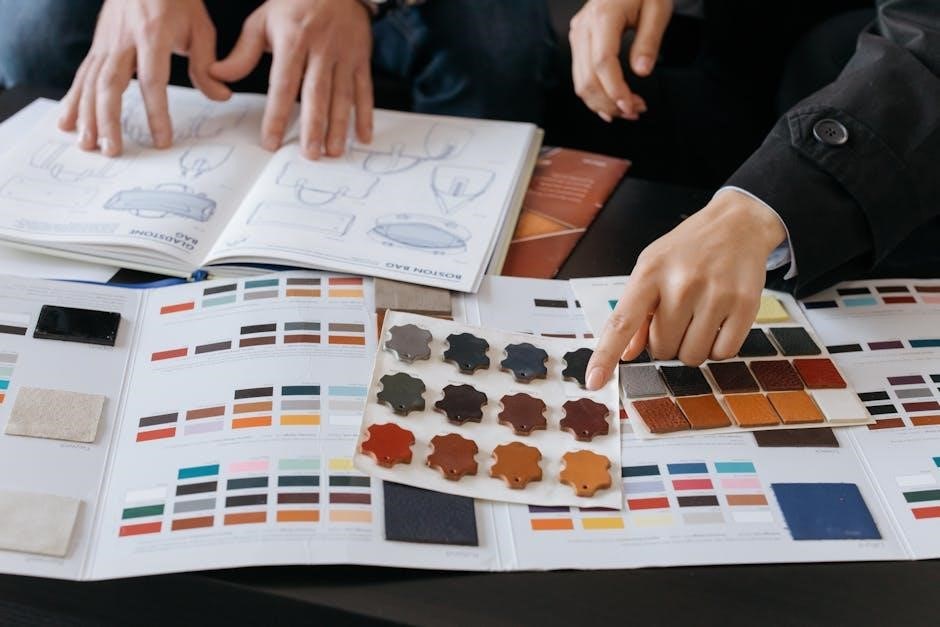
A meticulous visual check is the first step․ Scan the entire length of the awning, both extended and partially retracted, for any physical barriers․ Look closely for branches, leaves, bird nests, or accumulated debris lodged within the awning’s housing or along the fabric’s track․
Pay attention to areas where the fabric rolls up, ensuring nothing is caught in the mechanism․ Even small obstructions can prevent smooth retraction, so a thorough inspection is crucial before proceeding with further troubleshooting․
Checking for Fabric Tears or Damage
Inspect the awning fabric carefully for any signs of tears, rips, or significant wear․ Even small tears can snag during retraction, causing binding or jamming․ Examine the fabric’s edges and seams, as these are common areas for damage to occur․
Look for fraying, discoloration, or weakening of the material․ Damaged fabric can impede the awning’s ability to retract properly, potentially requiring repair or replacement to restore functionality․ Address any fabric issues promptly․
Troubleshooting the Manual Crank System
Begin by assessing the crank handle for slippage or stripping․ A loose or damaged handle won’t effectively engage the retraction mechanism․ Next, investigate the gearbox – the heart of the system – for proper lubrication․
Lack of lubrication can cause gears to bind, hindering smooth operation․ Apply a suitable lubricant to the gearbox, ensuring it reaches all internal components․ If the crank still fails to retract the awning, deeper gearbox inspection may be necessary․
Crank Handle Slippage or Stripping
A slipping crank handle indicates a disconnection within the gearing․ Examine the set screw securing the handle to the crank shaft; tighten if loose․ If the handle spins freely without engaging the awning, the internal splines may be stripped․
Attempting to force a stripped handle can cause further damage․ Replacement is often the most practical solution․ Ensure the new handle is compatible with your awning’s crank shaft․ Regularly check the handle’s security to prevent future slippage․
Gearbox Issues & Lubrication
The gearbox translates crank rotation into awning extension/retraction․ Difficulty turning the crank, or a grinding noise, suggests gearbox problems․ Inspect for visible damage or corrosion․ Proper lubrication is crucial; apply a silicone-based lubricant to the gearbox’s moving parts․
Avoid petroleum-based products, as they can degrade rubber components․ If lubrication doesn’t resolve the issue, internal gears may be worn or broken, potentially requiring professional repair or gearbox replacement․
Addressing Awning Arm Problems
Awning arms support fabric extension and retraction․ Bent or damaged arms hinder smooth operation, causing binding or uneven closure․ Carefully inspect each arm for physical damage․ Arm lock mechanisms secure the awning in open/closed positions; ensure they’re functioning correctly․
If locked, release them before attempting retraction․ Stubborn arms might require gentle manipulation while cranking․ Severe damage necessitates professional repair or arm replacement to prevent further issues and ensure safe operation․
Bent or Damaged Awning Arms
Visually inspect awning arms for bends, dents, or fractures․ Even slight distortions can impede retraction, causing fabric to bind or pull unevenly․ Damage often results from strong winds or accidental impact․ A bent arm restricts movement, increasing strain on the entire mechanism․
Attempting to force retraction with damaged arms risks further harm․ Minor bends might be gently straightened, but significant damage requires professional assessment․ Replacement is often the safest and most effective solution for compromised awning arms․
Arm Lock Mechanisms – Inspection & Release
Many manual awnings feature arm lock mechanisms to secure the extended position, preventing unwanted movement․ Inspect these locks – typically levers or pins – ensuring they are fully disengaged before attempting retraction․ A locked arm will resist movement, making the crank handle difficult to turn․
Carefully release each lock, one at a time, while gently applying pressure to the awning․ Avoid forcing the mechanism; lubrication may be needed if locks are stiff․ Confirm full disengagement before continuing with the retraction process to prevent damage․
Dealing with Fabric-Related Issues
Fabric problems are frequent causes of retraction failure․ Look for bunching or binding within the awning housing, hindering smooth rolling․ Gently attempt to redistribute the fabric, ensuring even distribution across the roller․ Stuck fabric often results from debris or uneven winding․
If jamming persists, carefully try to manually guide the fabric as you turn the crank, avoiding forceful pulling․ Inspect the fabric for tears or damage that could be catching․ Addressing these issues promptly prevents further complications and potential damage to the awning mechanism․
Fabric Bunching or Binding
Uneven fabric distribution is a common culprit․ Bunching or binding typically occurs within the awning housing, preventing smooth retraction; Carefully observe the fabric as you attempt to close the awning, identifying areas of resistance․ Gentle manipulation can often resolve minor bunching, redistributing the material evenly․
Avoid forceful cranking, as this can exacerbate the problem and potentially damage the fabric or mechanism․ Check for obstructions like small branches or debris caught within the folds․ Consistent, even winding is key to preventing future bunching and ensuring reliable operation․
Stuck or Jammed Fabric within Housing
A jammed awning fabric requires careful attention․ If the fabric is firmly stuck inside the housing, avoid excessive force, which could cause tearing․ Slowly and gently attempt to retract the awning, pausing frequently to assess the situation․ Inspect the housing channels for any obstructions – leaves, twigs, or accumulated dirt․
Lubrication can be beneficial, but ensure it’s compatible with the fabric․ If the jam persists, consider partially extending the awning to gain better access and manually release the trapped material․ Patience is crucial to prevent further damage․
Lubrication for Smooth Operation
Regular lubrication is vital for effortless awning retraction․ Use a silicone-based lubricant, specifically designed for outdoor fabrics and metal components, avoiding oil-based products that attract dirt; Key lubrication points include the crank mechanism, gearbox, and awning arms’ pivot points․
Apply lubricant sparingly, wiping away any excess․ This prevents grime buildup and ensures smooth movement․ Annual lubrication, ideally in the spring and fall, maintains optimal performance and extends the awning’s lifespan, preventing sticking and corrosion․
Recommended Lubricants
Selecting the right lubricant is crucial․ Silicone-based sprays, like 303 Aerospace Protectant or WD-40 Specialist Silicone Lubricant, are excellent choices․ These won’t damage the awning fabric or attract abrasive dirt; Avoid petroleum-based lubricants, as they can degrade rubber parts and cause fabric staining․
Lithium grease is suitable for the gearbox, providing long-lasting lubrication for metal-on-metal contact․ Ensure the lubricant is dry-film to minimize dust accumulation․ Always test a small, inconspicuous area of the fabric first to confirm compatibility before widespread application․
Lubrication Points on the Awning
Focus lubrication on key moving parts․ Apply silicone spray to the awning arms’ pivot points, ensuring smooth extension and retraction․ Thoroughly lubricate the manual crank mechanism, including the handle insertion point and the gearbox housing․ Don’t forget the arm lock mechanisms – a light spray helps release them easily․
Inspect the fabric roller and apply lubricant where it contacts the housing․ Regularly lubricating these areas minimizes friction, preventing jams and ensuring effortless operation․ Wipe away any excess lubricant to avoid attracting dirt and debris․
Awning Mounting Bracket Problems

Loose or damaged mounting brackets significantly hinder retraction․ Carefully inspect all brackets for corrosion, cracks, or pulled screws․ Tighten any loose screws, and replace damaged brackets immediately for secure support․ Bracket alignment is crucial; misaligned brackets create uneven tension, causing retraction issues․
Check for wall integrity around the mounting points․ Deteriorated wall material won’t provide adequate support․ Ensure brackets are firmly anchored into solid structural components, not just drywall․ Correcting bracket problems restores proper awning function and safety․
Loose or Damaged Brackets
Identifying loose brackets is the first step․ Gently try to wiggle each bracket; any movement indicates a problem․ Inspect for stripped screw holes or rust compromising bracket integrity․ Damaged brackets – bent, cracked, or corroded – must be replaced immediately to prevent awning failure and potential injury․
Tighten loose screws, but avoid over-tightening, which can further damage the mounting surface․ If screw holes are stripped, use larger screws or wood filler before re-screwing․ Prioritize bracket security; a stable foundation is vital for smooth, safe awning operation․
Bracket Alignment Issues
Misaligned brackets create uneven tension, hindering retraction and potentially damaging the awning fabric or arms․ Use a level to check each bracket’s vertical and horizontal alignment․ Slight adjustments can often resolve minor misalignments; loosen screws, reposition the bracket, and re-tighten securely․
Significant misalignment may require professional intervention․ Incorrect mounting surfaces or structural issues could be the root cause․ Addressing alignment problems ensures the awning retracts evenly, preventing binding and extending its lifespan․ Prioritize proper alignment for optimal performance․
Weather-Related Issues & Prevention
Strong winds pose a significant challenge, making retraction difficult and risking damage․ Always retract the awning during windy conditions․ Rain and moisture can cause fabric to swell, leading to binding within the housing․ Ensure proper drainage and allow the awning to fully dry before retraction․
Preventative measures are crucial․ Regularly inspect brackets for wind-related loosening․ Consider a protective cover during extended periods of inclement weather․ Proactive care minimizes weather-induced issues and prolongs awning functionality, safeguarding your investment․
Wind Damage & Retraction Difficulties
High winds are a primary cause of retraction failure․ They can bend awning arms, strip gears within the crank mechanism, or even tear the fabric․ Attempting to retract an awning in strong winds can exacerbate damage, potentially leading to costly repairs․ Prioritize immediate retraction at the first sign of increasing wind speed․

Prevention is key․ Never leave the awning extended when unattended during windy conditions; Regularly inspect arms for bends and the crank mechanism for smooth operation․ Addressing minor issues promptly prevents wind from causing significant, irreparable harm․
Rain & Moisture Impact on Operation
Moisture significantly impacts awning functionality․ Water accumulation can weigh down the fabric, increasing the force needed for retraction and potentially straining the crank system․ Rust and corrosion develop on metal components, hindering smooth movement and causing binding․ Prolonged exposure accelerates deterioration․
Always retract the awning during rainfall or anticipated storms․ After wet weather, allow the fabric to fully dry before attempting retraction to prevent mildew and maintain structural integrity․ Regular cleaning and treatment with a water repellent can mitigate moisture-related issues․

Advanced Troubleshooting – Gearbox Repair
Gearbox issues often require specialized knowledge․ Identifying problems involves checking for stripped gears, broken springs, or excessive wear within the gearbox housing․ Disassembly is complex and cautioned; improper handling can cause further damage․ Inspect gears for cracks or missing teeth, and springs for breakage․
Lubrication is crucial, but may not fix severe damage․ Replacement parts are often necessary․ If uncomfortable with this level of repair, consult a professional․ Attempting repairs without expertise can void warranties and create safety hazards․
Identifying Gearbox Problems
Recognizing gearbox issues is key to effective repair․ Listen for unusual grinding or clicking sounds during crank operation, indicating internal damage․ Difficulty turning the crank, even with no obstructions, suggests a problem within the gearbox․ Inspect the exterior for leaks of old, dried lubricant – a sign of seal failure․
Check for stripped gears by attempting to manually rotate the gearbox output shaft; resistance should be consistent․ A complete lack of movement points to a severely damaged or locked gearbox, requiring professional attention․
Gearbox Disassembly & Inspection (Caution Advised)
Disassembling the gearbox is complex and requires caution! Begin by carefully documenting the assembly with photos․ Remove the cover, noting the position of all gears, springs, and retaining clips․ Inspect each gear for worn or broken teeth – even minor damage can cause failure․
Check for corrosion or debris hindering movement․ Caution: Gearboxes often contain strong springs; release tension slowly and safely․ If unsure about any step, consult a professional to avoid further damage or injury․
Safety Precautions During Repair
Prioritize safety during all repair attempts! Working at heights necessitates a stable ladder, properly positioned and secured․ Always maintain three points of contact․ Be acutely aware of pinch points – awning arms and the retraction mechanism can cause serious injury․
Wear safety glasses to protect your eyes from debris․ Disconnect any power sources if applicable․ Never attempt repairs in windy conditions․ If you feel uncomfortable or lack the necessary skills, immediately seek professional assistance to prevent accidents․
Working at Heights – Ladder Safety
Ladder safety is paramount when accessing your awning․ Always inspect the ladder for damage before each use, ensuring it’s stable and fully extended․ Position the ladder on a firm, level surface, avoiding uneven ground․ Maintain a 75-degree angle for optimal stability․
Adhere to the three-point contact rule – two hands and one foot, or two feet and one hand – at all times; Never overreach; reposition the ladder instead․ Be mindful of overhead power lines․ A spotter is recommended for added safety․
Avoiding Pinch Points & Injury
Awning components present potential pinch points․ Exercise extreme caution when operating the crank mechanism and handling awning arms․ Keep hands and fingers clear of moving parts during retraction or extension․ Wear work gloves to improve grip and protect your hands․

Be aware of the awning’s weight and avoid sudden movements that could cause strain or injury․ Never work under a partially retracted awning․ If assistance is needed, enlist a helper to manage components and ensure a safe working environment․
When to Call a Professional
Complex mechanical issues demand expert attention․ If you encounter significant gearbox problems or suspect internal damage, refrain from attempting extensive repairs yourself․ Similarly, any electrical component malfunctions – if your awning has motorized features – require a qualified technician․
Don’t hesitate to seek professional help if you’re uncomfortable with any repair step or lack the necessary tools․ Ignoring severe problems can lead to further damage and costly replacements․ Prioritize safety and ensure a lasting solution by consulting an experienced awning specialist․
Complex Mechanical Issues
Internal gearbox failures represent a significant challenge․ Disassembly requires specialized knowledge and tools, and incorrect reassembly can cause further damage․ Severely bent or broken awning arms also necessitate professional intervention, as attempting to bend them back can compromise their structural integrity․
Persistent jamming or binding, despite lubrication, may indicate deeper mechanical faults․ If you’ve exhausted basic troubleshooting steps without success, a professional assessment is crucial to identify and rectify the underlying problem, ensuring safe and reliable operation․
Electrical Component Problems (if applicable)
Although focused on manual awnings, some models incorporate motorized assistance․ If your awning has an electric motor and fails to retract, check the power supply and wiring connections first․ A tripped circuit breaker or loose wire can prevent operation․ Inspect the motor housing for visible damage or signs of overheating․
Faulty limit switches, responsible for stopping the motor at the correct positions, can also cause retraction issues․ Professional diagnosis is recommended for electrical components due to safety risks and the complexity of the system․
Preventative Maintenance Tips
Regular upkeep extends your awning’s life and prevents retraction problems․ Implement a cleaning schedule, using mild soap and water to remove dirt and debris from the fabric and frame․ Inspect the awning periodically for loose bolts, damaged fabric, or worn parts․ Seasonal lubrication of the crank mechanism and moving joints is crucial for smooth operation․
Proactive maintenance minimizes the risk of unexpected failures․ Addressing small issues promptly prevents them from escalating into costly repairs, ensuring years of reliable shade and enjoyment․
Regular Cleaning & Inspection
Consistent cleaning prevents fabric deterioration and operational issues․ Use a soft brush and mild soap solution to gently wash the awning fabric, avoiding harsh chemicals․ Inspect the awning monthly for tears, fraying, or mildew․ Check the crank handle for smooth rotation and examine the arms for any signs of bending or damage․
Thorough inspections identify potential problems early, preventing retraction failures․ Pay close attention to mounting brackets, ensuring they remain secure and aligned․ Addressing minor issues promptly saves time and money․
Seasonal Lubrication Schedule
Establish a routine lubrication schedule for optimal performance․ At the beginning and end of each season, apply a silicone-based lubricant to the crank mechanism, gearbox, and awning arms․ Avoid oil-based lubricants, as they attract dirt and grime․ Focus on pivot points and moving parts to ensure smooth operation․
Regular lubrication minimizes friction, preventing sticking and retraction difficulties․ Inspect lubricant levels during monthly inspections and reapply as needed․ This proactive maintenance extends the awning’s lifespan and ensures effortless use․
Extending Awning Lifespan
Maximize your awning’s longevity with diligent care․ During off-season storage, fully retract the awning and clean the fabric with mild soap and water․ Consider a protective cover to shield against weather damage and UV exposure․ Regular inspections for tears, loose bolts, and corrosion are crucial․
Promptly address any issues to prevent minor problems from escalating․ Proper storage and consistent maintenance significantly extend the awning’s functional life, safeguarding your investment for years to come․
Proper Storage During Off-Season
Preparing your awning for colder months is vital․ Fully retract the awning, ensuring the fabric is dry to prevent mildew growth․ Clean it thoroughly with a gentle soap solution, removing dirt and debris․ Secure the awning in the retracted position, potentially using straps or tie-downs to resist wind․
Consider a dedicated awning cover for enhanced protection against the elements․ Proper off-season storage minimizes wear and tear, preserving the awning’s functionality and extending its lifespan significantly․
Protective Covers & Maintenance
Investing in a quality awning cover is a smart preventative measure․ These covers shield the fabric from UV rays, rain, snow, and debris, reducing fading and potential damage․ Regularly inspect the cover for tears or wear, replacing it as needed․
Consistent maintenance extends awning life․ Periodically check mounting brackets for tightness and lubricate moving parts․ Addressing minor issues promptly prevents them from escalating into costly repairs, ensuring years of reliable shade․